


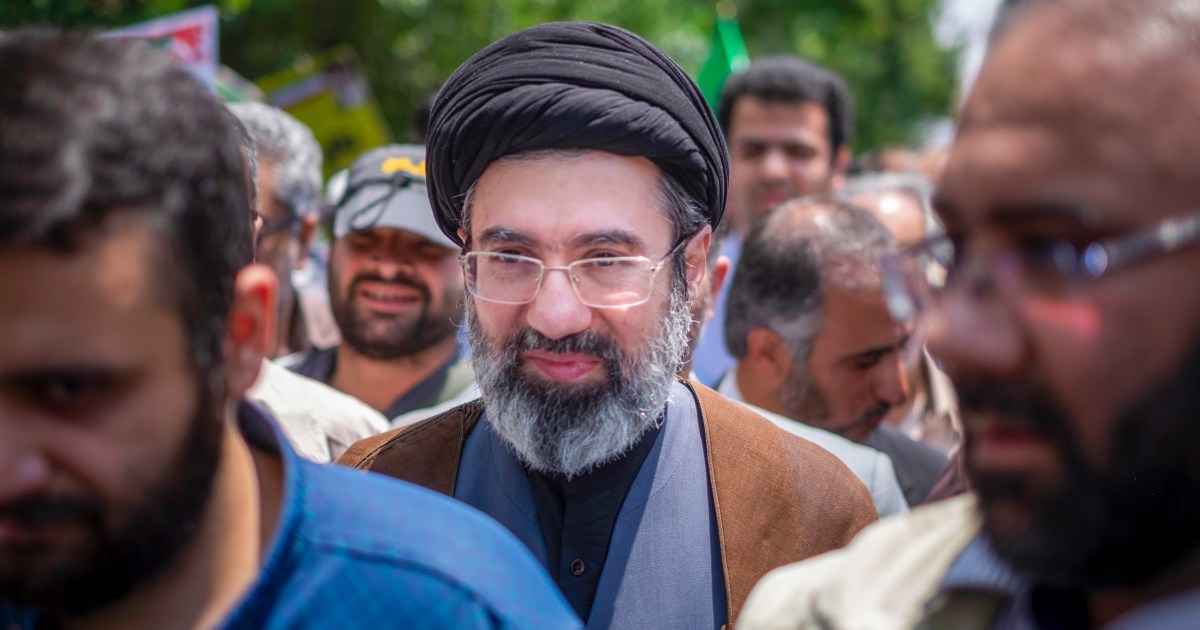
Mojtaba Khamenei has been named Iran’s new supreme leader, just over a week after his father, Supreme Leader Khamenei, was killed in a US and Israeli attack.
A statement from the Council of Experts (a committee of Shiite clerics responsible for selecting the country’s supreme leader under Iranian law) announced that Mojtaba Khamenei has been elected as the Islamic Republic’s third leader, IRIB state television and Fars, Tasnim and ISNA news agencies reported.
President Donald Trump told Axios last week that the choice was “unacceptable” and indicated he wanted to handpick a new supreme leader, a process typically overseen by Iran’s clerics.
“They are wasting their time. Khamenei’s son is a lightweight. I have to be involved in his appointment.” “I cannot accept Khamenei’s son.”
Follow us for live updates.
President Trump reiterated this idea in an interview with ABC News, saying that a new leader “won’t last long” without the approval of Iran’s leaders.
The Israel Defense Forces warned on Sunday that Ali Khamenei’s successor would be targeted.
The semi-state Mehr news agency confirmed last week that Khamenei’s son is alive and well after a deadly attack by the US and Israel killed his father and his family, including Mojtaba Khamenei’s wife.
Mehr reported that Mojtaba Khamenei “oversees issues related to family martyrs, manages affairs, and consults and considers important national issues.”
Mojtaba Khamenei, a politician and cleric, is known for his great influence among civil servants and the Islamic Revolutionary Guard Corps. But he is not particularly popular in Iran, where father-to-son succession is also frowned upon, especially after the collapse of the US-backed Shah Mohammad Reza Pahlavi monarchy in 1979.
He also lacks his father’s religious qualifications to lead a clerical regime that claims to represent God’s will on earth.
Valentine Moghaddam, a professor of sociology and international affairs at Northeastern University in Boston, said ahead of the appointment that “most Iranians expected a transition to a system of governance with a president and a council of ministers rather than an Islamic cleric, and of course expected a referendum before that happened.”
“However, recent attacks by Israel and the United States seem to make that impossible,” she said.
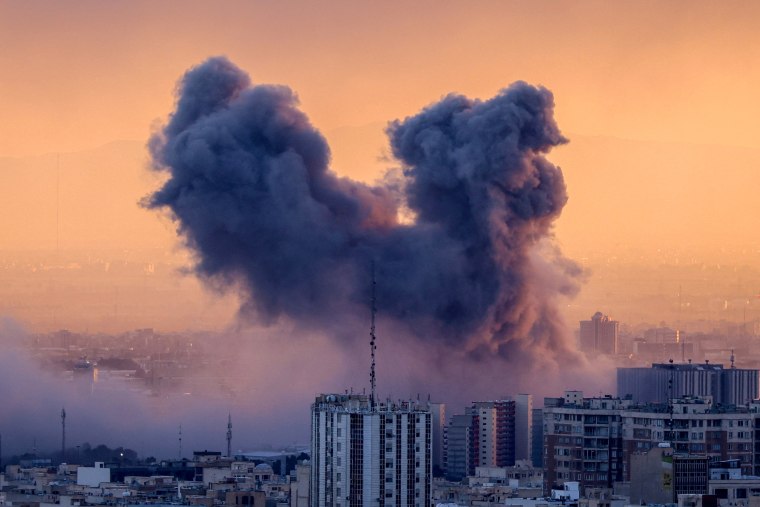
Questions about Khamenei’s successor have been complicated by the death of then-Iranian President Ebrahim Raisi, who had long been considered a possible successor, in a helicopter crash in May 2024.
But the administration will be keen to show Israelis, Americans and Iranians that it is not broken, Javed Ali, a former senior counterterrorism official and now an associate professor at the University of Michigan, said before the appointment.
“Choosing the next supreme leader is a clear signal,” he added.
“Appointments like this send a signal that nothing is going to change,” Anise Basili Tabrizi, an associate fellow in Chatham House’s Middle East and North Africa program, said ahead of the appointment.
No matter how little support there is for Iran’s new supreme leader, absent regime change in Iran, they will likely maintain a similar “iron grip of control through the establishment,” Ali said.
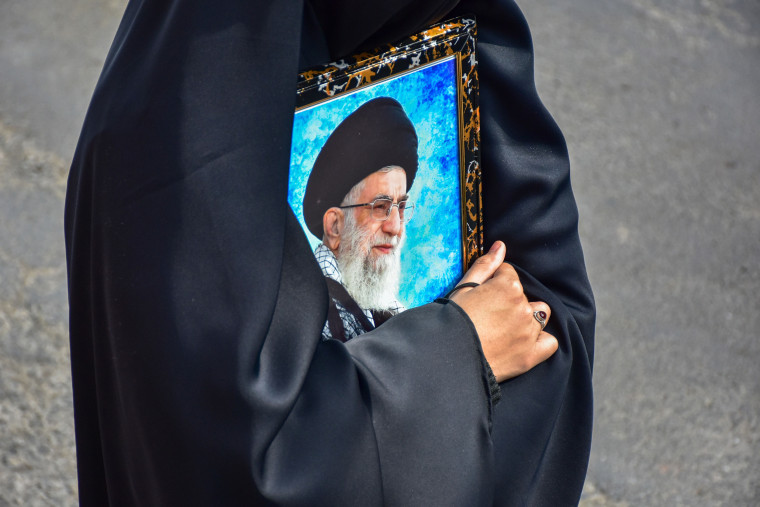
“The next supreme leader will also step into the same system,” he added.
The last time the Assembly of Experts convened to choose a new leader was in 1989, when Ali Khamenei was chosen. The new leader must be male, and Iranian law requires him to be an Islamic cleric.
Mojtaba Khamenei’s appointment as supreme leader has made him an immediate target, with Israeli Defense Minister Yisrael Katz warning on Wednesday that the new leader would be a “clear target for removal.”
He stressed that Israel and the United States will work together to “crush the capacity of the Iranian regime and create conditions for the Iranian people to overthrow and replace it.”
