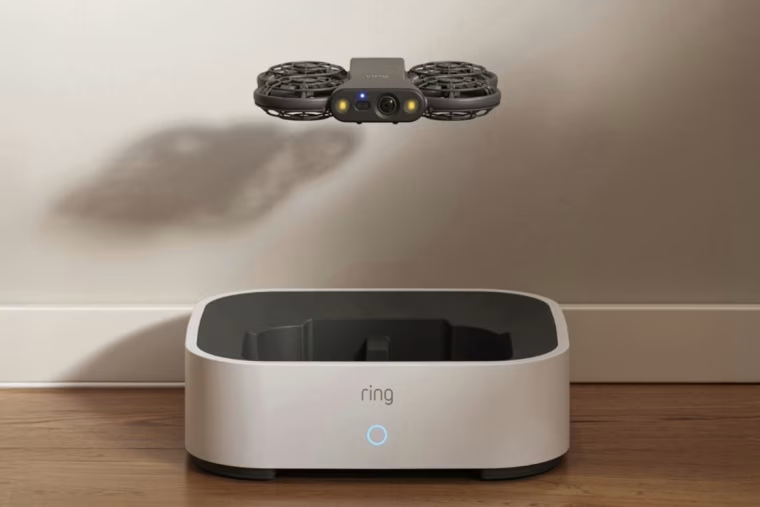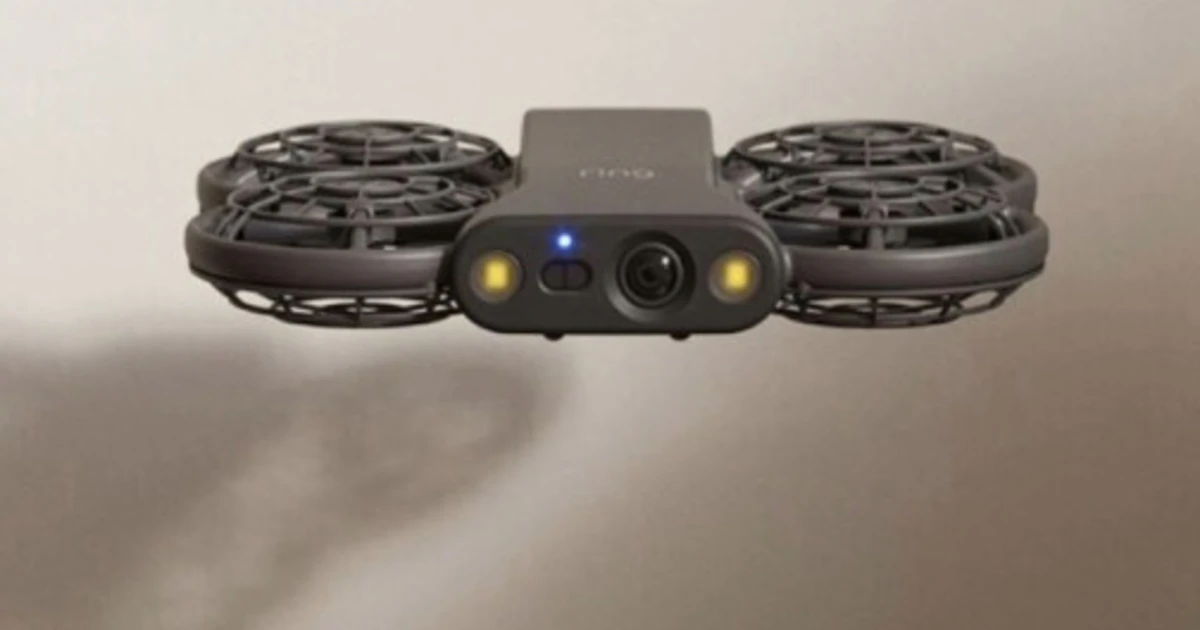
Amazon’s Ring has unveiled a new innovation in home security: an indoor drone designed for comprehensive surveillance throughout the home. Announced on Tuesday, the Ring Drone Camera aims to provide a solution for monitoring areas where traditional fixed cameras may not be sufficient.
Priced at $250, the Ring Drone Camera operates through a small quadcopter equipped with a powerful lens, allowing it to capture moving images seamlessly. Jamie Siminoff, the founder and chief inventor of Ring, emphasized that this product is a response to consumer requests for enhanced monitoring without the need for multiple camera installations.
“For years, customers told us they wanted eyes in the places a fixed camera couldn’t reach, and peace of mind in the spots they’d never want one,” stated Siminoff in a company release. He elaborated on the necessity of rethinking what security devices could offer, stating that innovation of this magnitude requires time and persistence.
Siminoff expressed hopes that the Ring Drone Camera represents not just a new product, but the start of a transformative era in home security. “It’s the beginning of a future where proactive, autonomous protection is something every home and every business can have,” he said.
The drone features advanced capabilities, including “wall-to-wall coverage” and a 148-degree field of view. It can rotate a full 360 degrees, allowing for rapid identification of potential security threats. Furthermore, its design includes LED lights to ensure that it can capture clear video footage even in low-light conditions.
In addition to the Drone Camera, Ring has also released the Ring Rover Cam, specifically designed for commercial use and priced at $1,000. This unit can perform routine patrols and respond to disturbances as needed. The company notes that this innovative tool allows users to conduct thorough inspections without the complications tied to wiring cameras in every corner.
Both the Ring Drone Camera and the Ring Rover Cam will require a subscription service priced at $5 per month or $60 annually, according to information provided by a customer service representative to NBC News.