


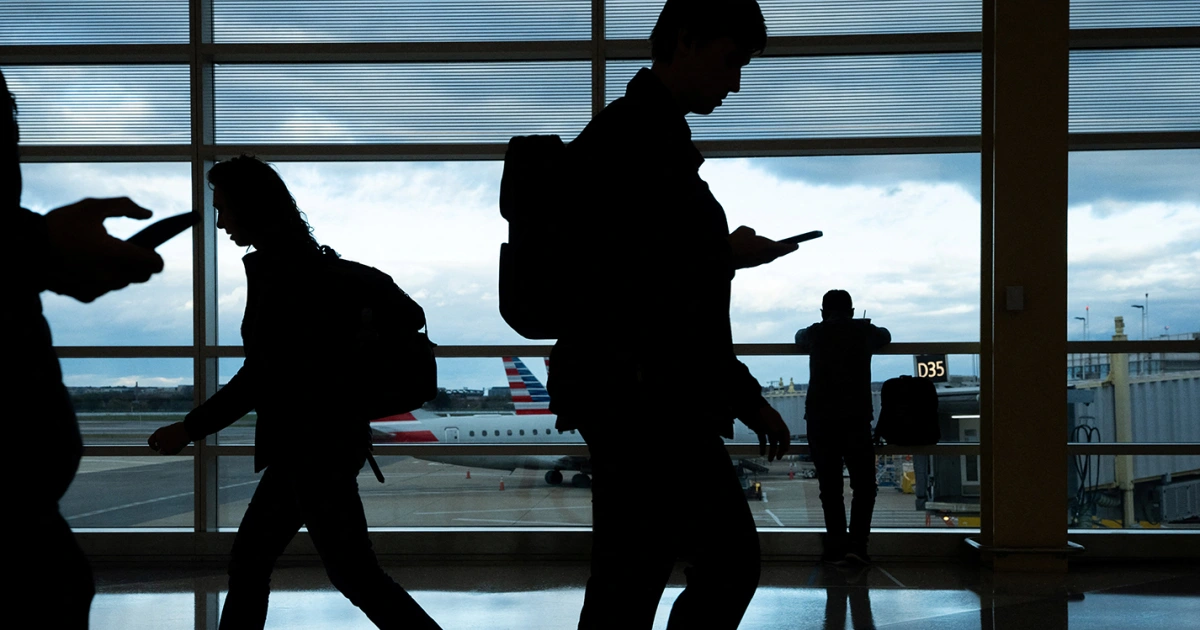
U.S. Air Travel Normalizes After Rare Nationwide Ground Stop
On Monday, air travel in the United States showed significant signs of recovery as airlines worked diligently to restore their schedules following an unprecedented nationwide ground stop. The temporary halt, which occurred Friday due to a critical router issue affecting air traffic control communication, left many passengers frustrated and stranded.
Effects of the Ground Stop
The ground stop, which lasted several hours, caused a ripple effect across airports, resulting in countless travelers sleeping in terminals and missing important events. By early Monday morning, approximately 6,513 flights were delayed and 491 flights cancelled nationwide. This marked a stark improvement compared to Sunday’s peak of 26,195 delayed and 2,855 cancelled flights, according to aviation data provider FlightAware.
Flight Cancellations and Delays
American Airlines experienced the highest number of cancellations on Monday with 149 flights, followed by SkyWest with 38. Major airports like Dallas-Fort Worth International and Chicago O’Hare International reported the most cancellations for the day.
Looking Ahead
The situation is expected to improve further as only 60 cancellations are projected for Tuesday, as many travelers prepare for the busy Thanksgiving travel season later this month. Transportation Secretary Sean Duffy noted, “It takes some time for the airlines to rechoreograph all of their crews and aircraft,” indicating that the effects of the disruptions would become less impactful with each passing day.
Causal Factors Behind the Disruption
The communication failure leading to the ground stop was linked to maintenance work being performed by FAA contractor L3Harris, which involved swapping a copper line for a fiber line at a facility in El Dorado, Arkansas. Duffy explained that this replacement disrupted a newly upgraded router in Amarillo, Texas, causing an overload across various air traffic control centers.
This incident highlights ongoing concerns regarding the U.S. air traffic control system, which has been plagued by outdated technology and equipment as well as a shortage of air traffic controllers. Despite past maintenance efforts having been conducted without incident, the specific issues that arose during this latest maintenance remains under investigation.
Federal Response
Following the incident, FAA Administrator Bryan Bedford expressed support for the decision to halt departures to reduce stress on the system while officials assessed the situation. Meanwhile, Duffy cited past administrations for under-investing in air traffic control modernization, stating, “It happened on my watch, but we have to be clear: I am moving at an incredible speed that no one has done at the FAA or in decades.”
President Donald Trump has since called for increased funding to address these infrastructural flaws, although he faces skepticism from some Democratic leaders regarding the necessity of additional funds, given past unspent allocations that were earmarked for specific projects.
