


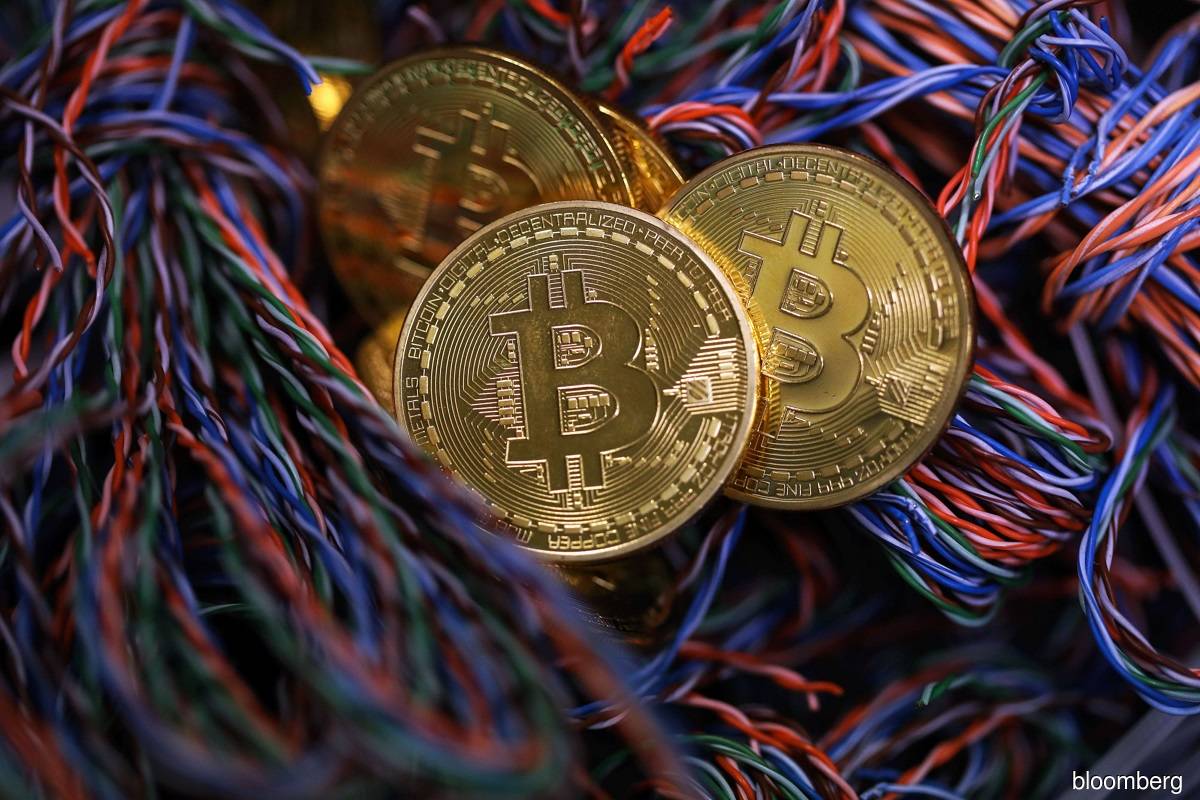
I refer to the news reported in The Edge on November 19, 2025. There, Parliament was informed that since 2020, approximately RM4.57 billion of electricity has been stolen for cryptocurrency mining. As a result, the Ministry of Energy Transition and Water Transition announced the establishment of a multi-agency committee to consider long-term measures to curb electricity theft related to Bitcoin mining. Akmal Nasrallah Mohd Nasir, Deputy Minister of Energy and Water Transformation, also said that the committee could consider the possibility of completely banning Bitcoin mining.
The current situation poses real risks to Malaysia’s energy infrastructure, grid security and public interest, but a complete ban on Bitcoin mining will not solve these problems. Instead, this activity will take place further underground, where abuse will be harder to monitor and police.
A more effective solution would be to regulate Bitcoin mining as a licensed activity, similar to data centers, heavy industrial users, and other high-consumption businesses.
Bitcoin mining is a billion dollar industry
According to a report published by Global Growth Insights on November 3, 2025, the global Bitcoin miner market reached an estimated value of US$11.19 billion (RM46.25 billion) in 2024. The report further predicts that this sector could expand to approximately USD 94.4 billion by 2033, reflecting the rapid growth of industrial-scale mining activities around the world.
Bitcoin mining is already making a significant economic contribution in the United States, where innovation in cryptocurrency and blockchain is progressing. A study published by Mara.com in February 2025 estimates that Bitcoin mining activity in the United States alone contributes more than US$4.1 billion to the annual gross domestic product. The industry is also estimated to support more than 31,000 jobs and generate more than $2.5 billion in personal income across the United States.
This growth has enabled many American mining companies to operate as legal, regulated companies, and some have gone public on American stock exchanges.
Examples include American Bitcoin Corporation, which is listed on NASDAQ (ticker: ABTC) and backed by the Trump family. The company reported revenue of approximately USD 64.2 million in the third quarter of 2025. Another major operator, Iren Ltd (ticker: IREN), formerly known as Iris Energy, recorded revenue of approximately USD 187.3 million in a single quarter in 2025.
Across the broader market, the 22 major publicly traded Bitcoin mining companies have combined revenue of approximately US$5.42 billion, according to public filings. This shows that Bitcoin mining is no longer a fringe activity, but a globally significant industry with significant commercial scale, employment impact, and investor participation. It also makes a significant taxable contribution to the economy of any country.
The crime lies in the illegal theft of power, not in the act of mining itself.
A ban on Bitcoin mining is impractical and unenforceable because anyone with both a computer and an internet connection can mine Bitcoin. At the end of the day, this is not a problem specific to Bitcoin mining as a technology, but power theft.
Power theft has been an ongoing problem in Malaysia for the past 10 years, with or without Bitcoin mining. Therefore, the government needs to take a holistic approach to curb the problem by properly regulating the industry. Rather than completely eliminating the risk of the activity going deeper underground by banning Bitcoin mining, the government should encourage Malaysian companies to conduct Bitcoin mining in a legal and responsible manner.
One useful point of reference is to look at how the Ministry of Finance and the Securities Commission Malaysia (SC) approached the issue of Bitcoin and crypto trading in 2018. At the time, crypto fraud was rampant and many unregulated online trading platforms were operating freely. These platforms enabled direct trading of Bitcoin against the Malaysian Ringgit without any oversight, posing serious risks to Malaysians as investors, paving the way for financial crimes, and exposing the financial system to instability. Unregulated platforms also pose significant risks in the areas of money laundering and terrorist financing.
Rather than outright banning crypto trading as China did, then-Finance Minister Lim Guan Eng, along with the SC, wisely opted for regulation. This decision was based on the principle that a transparent and well-supervised market would better protect Malaysians as investors and strengthen market integrity.
As a result, in early 2019, the SC introduced comprehensive guidelines to regulate virtual currency trading platforms. These regulations created the legal category of “digital asset exchanges” under the Authorized Market Operator Framework and established strict requirements regarding custody, security, governance, anti-money laundering compliance and operational standards. As a result, Malaysian investors today can legally buy and sell digital assets on licensed platforms (such as Hata) within a safe and regulated environment.
Licensed digital asset exchangers must comply with all regulatory obligations imposed by the SC, as well as associated tax and reporting requirements. This framework has proven to be effective. This reduced fraud, protected investors, increased transparency, and ensured that crypto activities contribute to the national economy. As a result, since 2019, approximately USD 11 billion of transactions have been captured and facilitated on local digital asset exchanges. This same regulatory philosophy can now be applied to Bitcoin mining.
Malaysia has an opportunity to lead innovation in Southeast Asia
Many countries are also choosing to regulate rather than prohibit. For example, in the United States, several states, including Texas, Wyoming, and Kentucky, treat Bitcoin mining as a data center activity. Operators must register, comply with energy reporting, participate in grid readiness programs, and meet safety and zoning requirements.
In Canada, provinces such as Quebec and British Columbia require miners to apply for industrial power contracts, follow strict load management rules and meet environmental standards. Licensed miners pay commercial rates and are also subject to regular audits.
And last but not least, in the Emirate of Abu Dhabi, the Abu Dhabi Global Market has introduced a regulatory framework for digital asset activities, including mining. Licensed mining companies must comply with reporting standards, energy regulations and technical compliance requirements before operating.
These examples demonstrate that regulating Bitcoin mining activities is not only possible, but common in countries aiming to balance innovation and energy conservation. And rather than banning innovation in Southeast Asia, Malaysia should strive to lead the region in innovation by emulating these countries.
So far, no Southeast Asian country has yet introduced a comprehensive regulatory framework for Bitcoin mining. By establishing clear rules and licensing requirements ahead of its neighbors, Malaysia can take the lead in attracting significant foreign investment, developing new energy-related industries, and establishing itself as a regional hub for responsible and sustainable Bitcoin mining.
conclusion
The ban would force mine operators into secret locations to tamper with power infrastructure and evade enforcement. On the other hand, clear licenses can remove ambiguity, encourage these operators to legalize their operations, and help authorities distinguish between legal and illegal operators.
Regulating this activity can create jobs, encourage foreign and local investment in established sectors, and also contribute to national revenue in the form of taxes. This protects Tenaga Nasional Bhd (KL:TENAGA) from losses, protects consumers from illegal operators who use their premises to illegally mine Bitcoin, and strengthens the rule of law.
I therefore propose that the Ministry of Energy and Water Transition introduce a dedicated license category for Bitcoin and digital asset mining activities. The Department may also consider:
Operators must register with Tenaga and apply for a license. Operators must use approved metering systems and comply with real-time consumption monitoring. Reduces tariffs for licensed Bitcoin mining operators during their first year of operation, starting from the date the license is issued. This first incentive will encourage existing unlicensed operators to come forward, formalize their activities, and operate within a regulated framework. Tenaga will then be able to apply commercial or industrial electricity rates that reflect the high-load profile of mining activities once the operator is established. This will ensure long-term cost recovery for Tenaga while encouraging illegal operators to legalize their businesses. Tenaga may even impose license renewal fees to generate additional revenue. Enforces minimum renewable energy use for approved mines to support Malaysia’s goal of diversifying into renewable energy. Such requirements will encourage investment in solar power plants, hydropower plants, and other renewable assets and foster the development of the renewable energy sector. Require periodic reporting on equipment, energy consumption, and operational safety practices. Finally, strengthen penalties and legal consequences for unauthorized or illegal mining to protect the power grid and deter meter tampering.
This is an opportunity for Malaysia to transform a major law enforcement challenge into an organized high-value industry that operates safely, transparently and in line with the country’s energy goals.
I therefore respectfully request the Ministry and relevant authorities to adopt a regulated licensing framework for Bitcoin mining (similar to how Bitcoin trading was regulated in 2019) and bring this important activity into the formal economy, allowing it to be monitored, controlled and safely developed in the national interest.
David Low is the Chief Executive Officer of Hat.io, a digital asset exchange regulated by both the Malaysian Securities Commission and the Labuan Financial Services Authority.
