


The price of the wrapped Monero token, XMR1, experienced a severe downturn recently, primarily as a result of significant sell-offs by wallets associated with the token’s deploying accounts. This event involved the liquidation of approximately $13.5 million worth of XMR1, raising substantial concerns about the viability of the token and its underlying infrastructure.
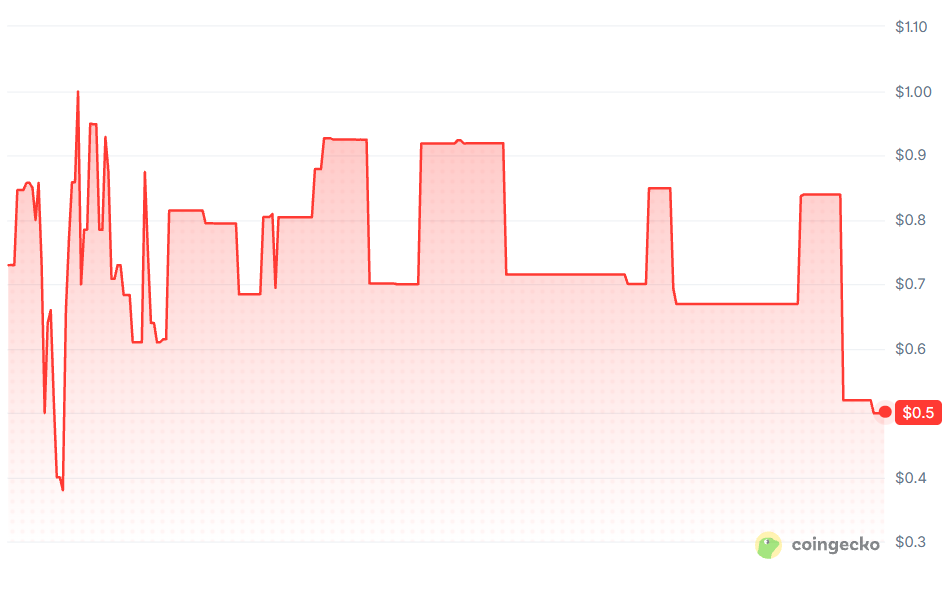
XMR1, listed on the trading platform HyperLiquid, plummeted dramatically from around $500 to roughly $1 within merely 30 minutes on Friday, marking a staggering decline of nearly 99.8%. This fall has sparked critical discussions about the safety and reliability of assets generated via cross-chain protocols.
It’s crucial to note that the collapse specifically pertained to XMR1 and does not reflect the state of Monero’s original cryptocurrency, XMR. Wrapped tokens are crafted to serve as stand-ins for assets on differing blockchains, thereby facilitating trading on platforms that do not directly support the original currencies.
Analysis of XMR1’s Market Activity
Blockchain analytics company Bitquery has undertaken a detailed investigation, tracing the movements from the deployer accounts to a wallet that acquired around 5.2 million XMR1 tokens, some of which were later sold. This transaction yielded around $13.5 million, with Bitquery reporting that approximately $13.28 million in USDC was transferred to Arbitrum. Subsequently, some of this amount—around $13.22 million—was exchanged for 7,467 ETH through the CoW protocol. Most of this Ethereum was subsequently bridged to the Ethereum blockchain.
Additionally, the analytics firm uncovered around $6.6 million in XMR1 transactions from early November that appeared to be financed by illicit gains from four separate hacking incidents involving Across Protocol, Kava, Lighter, and Safe. There seems to be an attempt to utilize XMR1 to acquire the native Monero cryptocurrency. Nevertheless, Bitquery clarified that there is currently no concrete on-chain evidence linking these previous hacking incidents to the recent XMR1 situation.
Security Concerns and Hosting Issues
PerpetualCow, the anonymous operator of the Wagyu service that oversees XMR1, has pointed to a potential security breach involving their hosting provider, 1984. They allege that sensitive customer information and internal server data were compromised during the incident. According to PerpetualCow, the key for the XMR1 deployer was previously stored on their servers but was deleted later; however, they believe the hosting provider might have retained pertinent logs and files.
Despite this assertion, the on-chain analysis conducted by Bitquery has not validated how the private keys were accessed or the identity of the individual controlling them at the time of the token’s transfer, leaving the specific details of the breach ambiguous.
This incident brings to light the vulnerabilities inherent in wrapped assets and the cross-chain transaction frameworks that support them. While these tokens enable cryptocurrencies to traverse various blockchain networks, their security relies heavily on the mechanisms, keys, and teams managing their issuance and upkeep.
Holders of XMR1 now face pressing questions regarding the potential recovery of their investments and whether the operator can implement a secure strategy moving forward. What’s your perspective? Do you believe Wagyu can restore investor confidence post XMR1’s drastic decline? Should projects involving wrapped tokens be subject to enhanced security measures to safeguard users from future complications?

bitcoinist’s editorial process focuses on providing thoroughly researched, accurate, and unbiased content. We adhere to strict sourcing standards, and each page is carefully reviewed by our team of top technology experts and experienced editors. This process ensures the integrity, relevance, and value of your content to your readers.
