


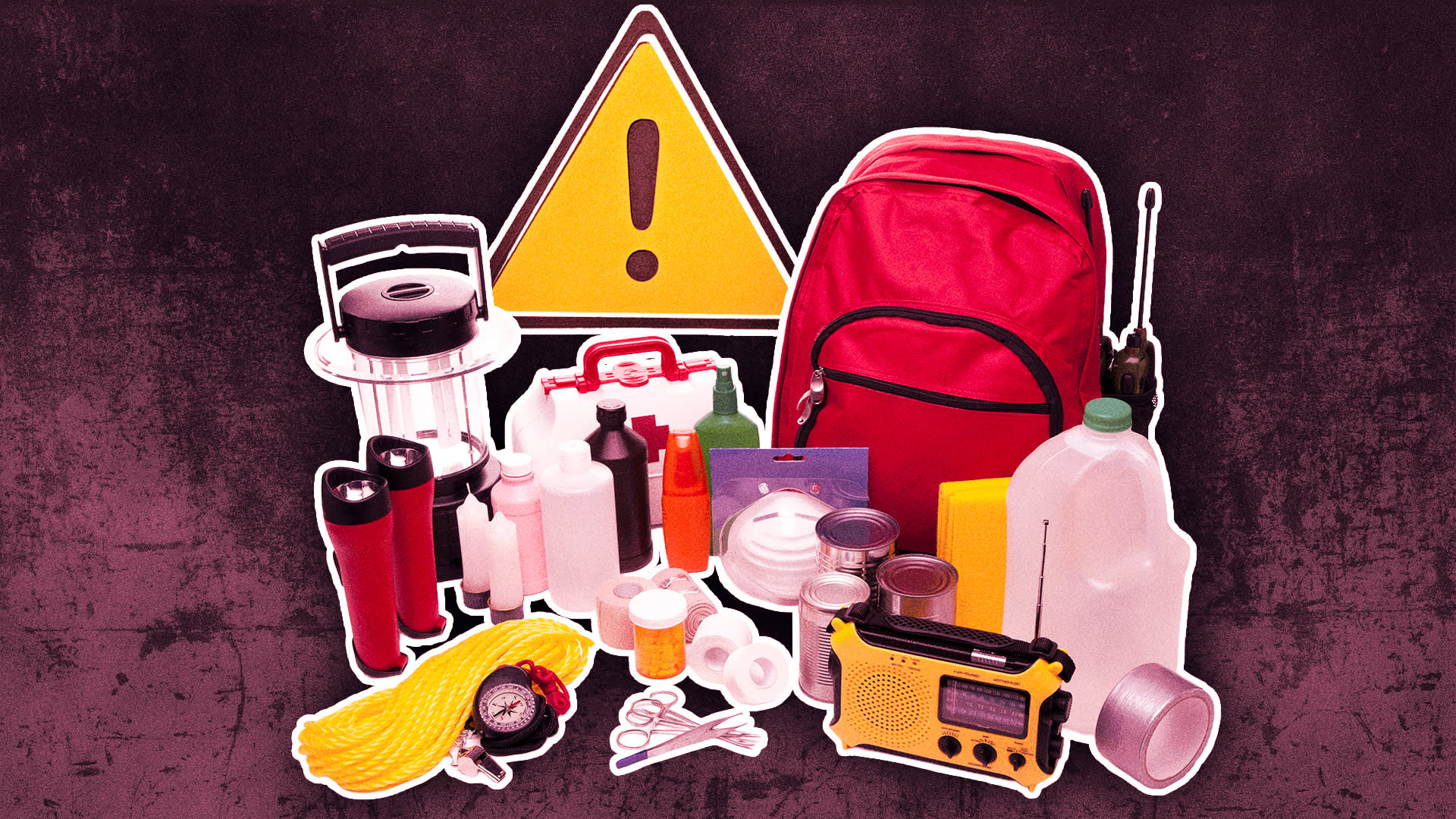
Recent high-profile technology outages have intensified concerns among Americans regarding the resilience of critical infrastructures such as the energy grid and the potential for cyberattacks powered by artificial intelligence. These widespread disruptions, which impacted services including banking transactions and air travel, have led some consumers to proactively prepare for emergencies.
Sabrina Cepeda, a mother of three from Houston, exemplifies this trend. In anticipation of a possible extended technology blackout, she has stocked up on non-perishable food items, hygiene essentials, and medical supplies, as well as cooking and heating materials like propane and lighter fluid. “I have a way to keep my family fed, clean, hydrated, warm, and safe,” Cepeda stated. “You want to have these things and not need them, rather than need them and not have them.”
Surge in Emergency Preparedness Purchases
Between November 12 and November 17, a series of technology failures occurred in the United States, coinciding with a staggering 400% increase in spending at retailers specializing in emergency preparedness products when compared to the same week in the previous year, according to Consumer Edge’s card data analysis.
Ready America, which offers emergency supplies such as survival kits and high-calorie food bars, reported a five-fold surge in online sales. The company noted that corporate clients, who stock emergency supplies for their offices, have also increased their orders amid rising fears about societal instability following these outages.
A worker at The Surplus Store manages a stock of emergency water in Los Angeles on November 18, 2026.
Justin Sullivan | Getty Images
Trevyn Reese, President of Ready America, indicated that current demand is reminiscent of the spikes experienced during the COVID-19 pandemic lockdowns, prompting the company to ask suppliers to increase production. Water purification tablets, a critical item, have been particularly hard to keep in stock.
The uptick in preparedness spending aligns with a broader wave of anxiety concerning power-related issues, an anxiety that has been building for weeks. Media reports indicating military readiness to sustain operations without external support and ongoing geopolitical tensions, particularly with Iran, have heightened public concern.
A man purchases a power generator and other supplies at Home Depot in Cape Coral, Florida, following Hurricane Ian’s devastation on September 30, 2022.
Marco Bello | Reuters
While retailers specializing in emergency items have seen increased sales, firearms sales have also experienced a notable rise. The National Shooting Sports Foundation (NSSF) reported an 8% increase in October sales compared to the same month in the previous year, attributing this trend to both uncertainty surrounding the midterm elections and recent technology outages. “If people are investing in firearms and ammunition, they’re telling you very directly, with their wallet, what their priority is,” remarked Mark Oliva, NSSF’s managing director.
Wall Street and Widespread Concerns
The recent technology outages have not only influenced consumer behavior but also caught the attention of financial analysts. Mizuho commented that consumer concerns over emergency preparedness, fueled by “apocalyptic” discussions on social media, have led to increased purchases of emergency supplies, particularly at retailers like Costco. Forecasts suggest a potential rise in Costco’s non-fuel sales growth for November beyond 10% for the first time since 2022.
RBC echoed similar sentiments, noting a tangible impact on global consumer behavior, albeit primarily centered around a limited range of preparedness items, including shelf-stable foods and water filtration products. Furthermore, wealth advisors have witnessed a rush to purchase bulk supplies and generators, with inquiries also about strategies to handle a potential financial system collapse.
“I’ve never seen anything like this in my life,” shared Richard McWhorter, a private wealth advisor. “There’s the financial side of what I do, and then there’s the psychological side. And the past two weeks have been much more psychological.”
Customer interest in gold, traditionally viewed as a safe asset amid turmoil, has also risen, driven by anxieties surrounding reliance on digital financial transactions following recent outages at major banks like JPMorgan Chase.
Despite reassurances from officials, who have stated that these outages do not appear to have been caused by foreign adversaries or cyberattacks, public apprehension persists. Senator Mark Warner mentioned those affected by the outages were “freaked out” and that the U.S. has been fortunate not to have encountered a significant AI-driven cyber crisis yet.
In response to the increasing concerns, companies might consider ramping up their cybersecurity investments, similar to the surge in antivirus software adoption during the dot-com boom, suggested Bilal Hafeez, CEO of Macro Hive.
The Global X Cybersecurity ETF has seen a 3% increase over two weeks, contrasting with declines in AI stocks and the broader tech market, which has been trending downward throughout 2026.
Changing Attitudes Towards Preparedness
While a portion of the population has embraced the idea of preparedness, others adopt a more humorous approach on social media, sharing satirical content about their own preparations, such as indulging in takeout from Starbucks. Nevertheless, there has been a marked increase in interest in emergency preparedness.
Google searches for “prepping” have doubled, and YouTube videos related to “survivalism” have seen a more than 5,000% increase in interest compared to the previous year.
Sabrina Cepeda’s focus on emergency preparedness stems from past experiences with natural disasters, leading her to prepare for technology-induced crises for the first time. She emphasized the importance of being equipped to manage emergencies without over-relying on modern technology. “We rely so much on technology,” Cepeda commented. “You need to be able to do these things the more traditional, old-fashioned way.”
