


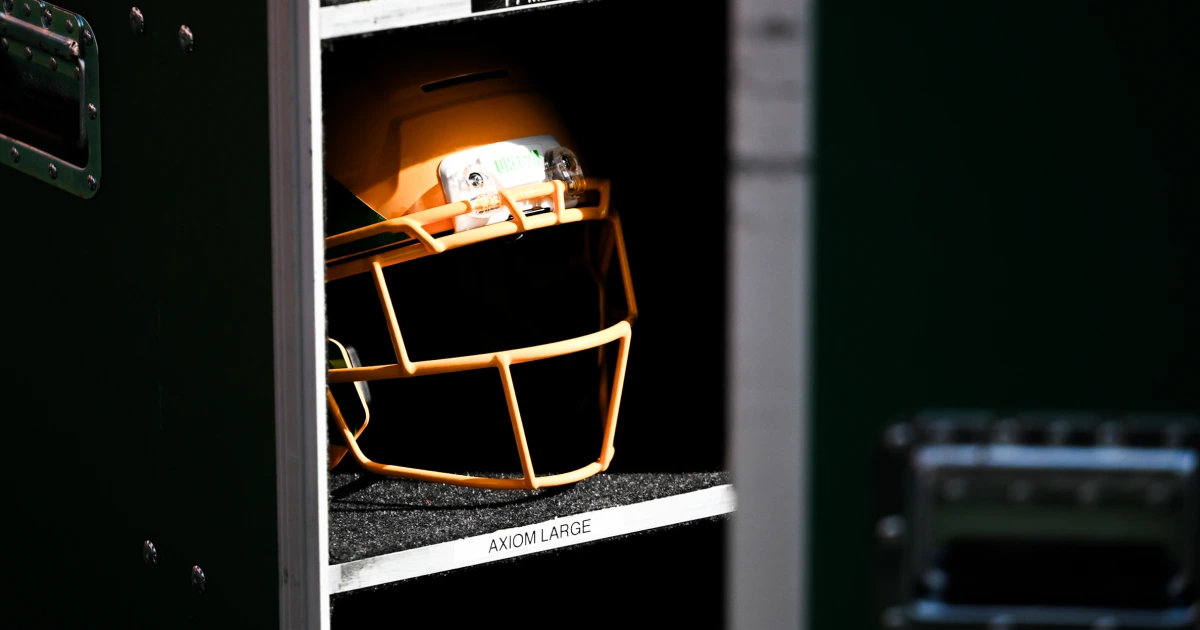
An extensive study has found that approximately 75% of former professional football players who passed away within a 15-year period exhibited signs of chronic traumatic encephalopathy (CTE), according to new research published in JAMA Network Open. This latest finding represents a significant increase from a previous study conducted by the same research team, which estimated that around 25% of NFL players who died over a five-year span had CTE.
This alarming statistic sheds light on the serious implications of repeated head trauma, a common occurrence in football. Chronic traumatic encephalopathy is characterized by the abnormal buildup of tau proteins in the brain, which can occur after various forms of head impacts. Although many individuals with CTE do not display symptoms, the potential for cognitive decline remains a concern. The new research indicated that approximately 27% of the former players analyzed were diagnosed with dementia, underscoring the connection between CTE and cognitive health.
The Research Process
The study, led by Yorghos Tripodis, who oversees statistics and data management at the Boston University Alzheimer’s Disease and CTE Center, evaluated data from 396 donated brains along with national death records of 1,966 other deceased former NFL players from 2008 to 2023. This approach aimed to reduce bias found in earlier studies, which mostly focused on brains donated by families of players who exhibited cognitive symptoms.
By analyzing a broader demographic that included players who may not have shown decline during their lives, the researchers aimed to better estimate the prevalence of CTE. The analysis revealed that while about 93% of the donated brains showed signs of CTE, only a small percentage of brain donations in other countries exhibit similar pathology.
Challenges in Diagnosing CTE
One significant obstacle in diagnosing CTE is that the associated alterations in the brain are not detectable through medical imaging. These changes can only be confirmed during an autopsy, raising concerns about the representativeness of samples in studies. Additionally, bias in donated brain data has been recognized, as families of former players displaying cognitive symptoms are more inclined to donate their loved one’s brain for research.
Tripodis noted that efforts were made to account for this bias in the new study, providing a more accurate estimate of CTE rates among former NFL players. The findings suggest that a staggering number—almost 1,760 out of 2,360 analyzed players—possess CTE, in stark contrast to the typical prevalence rate of about 1% in the general population’s brain donations.
Future Directions and Preventive Measures
Despite the grim statistics, there is a glimmer of hope as researchers emphasize the importance of prevention. With CTE diagnosis currently limited to post-mortem examinations, there is a pressing need for advancing technologies and methods to identify the condition in living patients. Dr. Jim Kelly, a professor emeritus of neurology at the University of Colorado Anschutz, highlighted the necessity of further research to address how to recognize CTE before it leads to detrimental cognitive effects.
The NFL is also taking steps to enhance player safety and reduce the prevalence of head injuries, which include the development of safer helmets and rules to lower collision speeds. Continuous efforts to improve player safety may significantly alleviate the risks associated with CTE and contribute to safeguarding the health of current and future athletes.
