


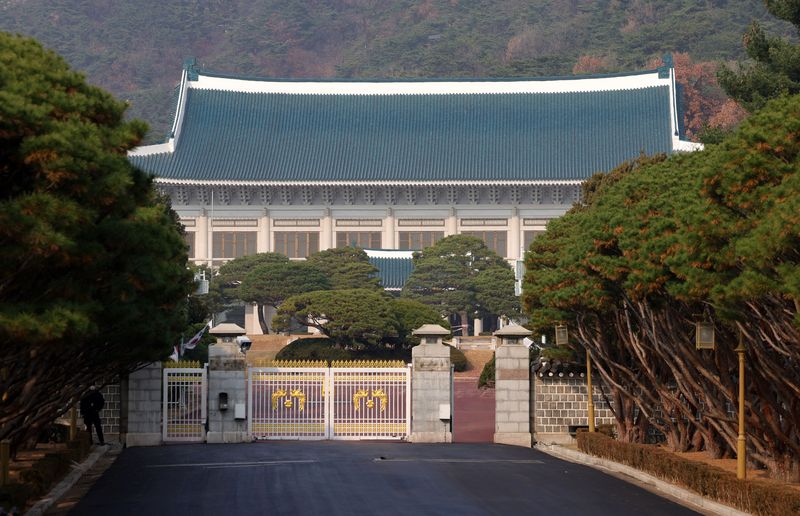
[Financial News] The Blue House is reportedly considering another postponement of the taxation on income derived from crypto assets, which is currently set to commence in January. This potential delay would mark the fourth postponement, following three previous delays. Analysts suggest that the decision may be influenced by strong public sentiment among younger demographics, who demonstrate a keen interest in investing in cryptocurrencies, alongside concerns over the readiness of the tax system.
As of October 25, discussions within the Blue House remain ongoing, with a consensus appearing to favor a further delay in the implementation of the crypto-asset tax. A Blue House representative stated that the suggested extension is “under review,” while cautioning that “nothing has been decided.”
Understanding Crypto-Asset Taxation
The proposed crypto-asset taxation framework aims to tax income generated from activities such as the transfer or lending of cryptocurrencies, including Bitcoin. The system allows for a basic annual income deduction of 2.5 million won, followed by a tax rate of 22%—which encompasses 20% income tax and 2% local income tax—on any income exceeding this threshold. Initially enacted in 2020, the tax was scheduled to take effect in 2022 but has experienced multiple delays due to concerns related to investor protections and adequate tax infrastructure. The current law stipulates that the effective date will be January 1, 2027.
Challenges Ahead for Tax Implementation
The projected delay is primarily attributed to the lack of a comprehensive taxation system. A significant challenge lies in the difficulty tax authorities face in obtaining information regarding income from transactions executed on overseas exchanges, in contrast to local platforms. Although the Organisation for Economic Co-operation and Development (OECD) is set to initiate cross-border exchanges of transaction data under the Crypto-Asset Reporting Framework (CARF) next year—beginning with 46 countries including South Korea and Japan—major markets like the United States are not expected to participate until 2029. This discrepancy raises concerns about a potential inequity in the taxation process, disproportionately affecting users of domestic exchanges.
Political Considerations and Legislative Actions
The leadership of the ruling party has expressed intentions to engage with the government in discussions to decide on the implementation of the crypto-asset tax by the end of this year. Kim Min-seok, leader of the Democratic Party of Korea, emphasized the necessity for thorough discussions on the taxation of crypto assets, stating, “We need to settle this this year,” during his appearance on the party’s YouTube program “Minti 07.” He also pledged to consider diverse opinions on the taxation issue, aiming to facilitate a reasonable solution through extensive consultations.
In the National Assembly, legislative efforts are already underway to secure an additional delay. Lawmaker Park Min-gyu has introduced an amendment to the Income Tax Act that would effectively defer the initiation of crypto-asset taxation to 2029. The People Power Party has also aligned with this viewpoint, actively advocating for related legal adjustments.
Next Steps for the Blue House
Following the conclusion of this month’s parliamentary audit, the Blue House is anticipated to deliberate on the implementation of crypto-asset taxation in discussions between the ruling party and the government, with a goal of solidifying its stance.
[email protected] Choi Jong-geun Reporter
