


Philippine Central Bank Prepares for Severe Economic Challenges
The Governor of Bangko Sentral ng Pilipinas (BSP), Eli Remolona, has announced that the central bank is gearing up for potentially severe impacts from a strong El Niño weather pattern, coupled with ongoing volatility in global oil prices. This proactive stance is part of the BSP’s strategic approach to tackle inflation rates that have recently surged to a three-year high.
Scenarios for Policy Adjustment
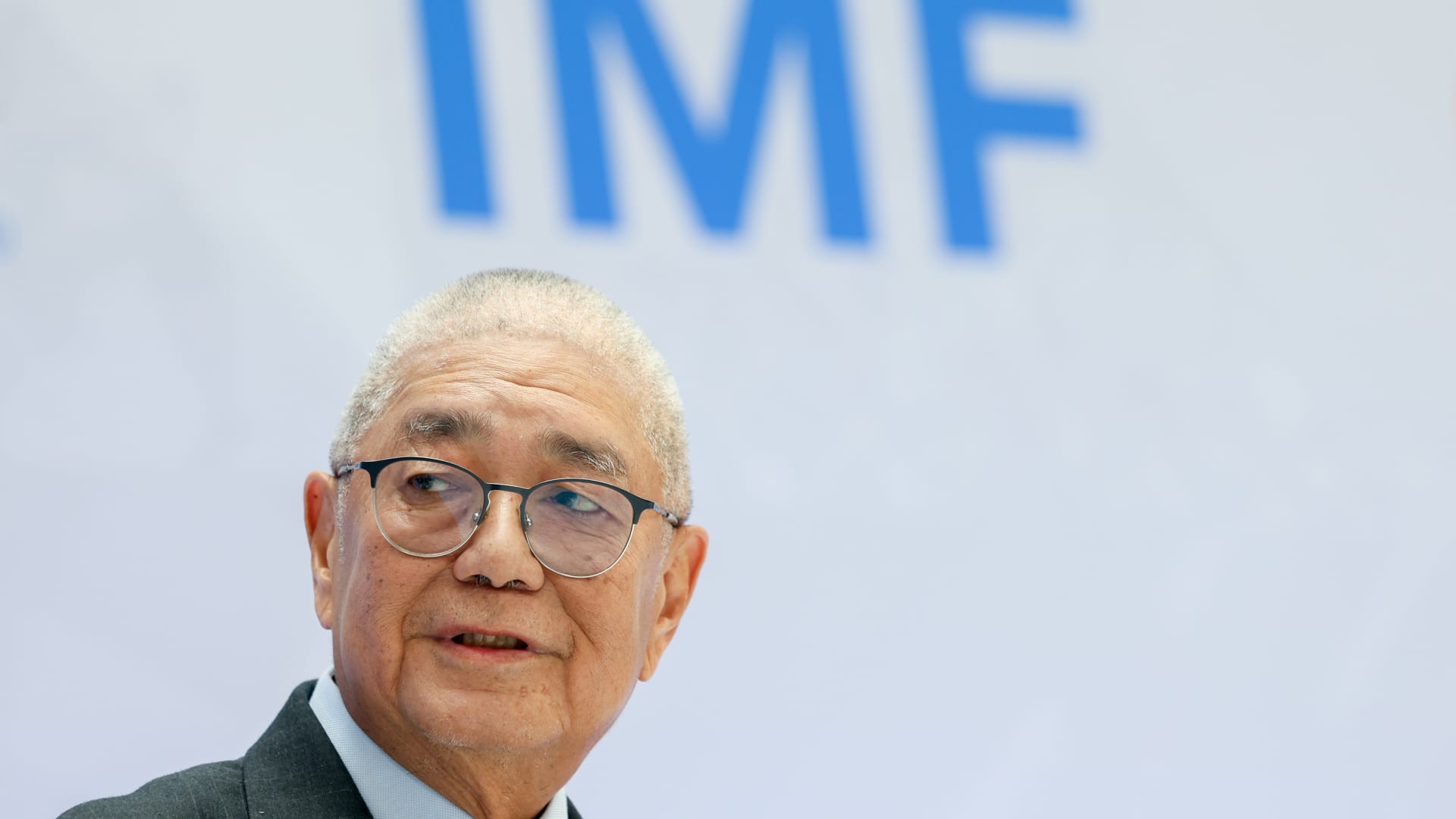
During a panel discussion at the IMF and World Bank annual meetings held in Bangkok, Remolona expressed that the BSP is now incorporating various scenarios into its policy-making process. “We have the regular, ordinary El Niño, which is bad, and then we have the Godzilla El Niño, which is really, really bad,” he stated. This highlights their preparation for outcomes that could significantly affect the national economy.
Impact of El Niño and Inflation Trends
According to Remolona, the most significant impacts from El Niño are anticipated to manifest between November and February. The central bank’s foremost objective remains the stabilization of prices amidst these challenges. “We’re holding our breath,” he said, “but we have to be prepared for the worst.”
Recent data indicates that inflation in the Philippines rose to 7.2% in September, up from 6.1% in August. This is largely driven by an 18% increase in rice prices, which poses a considerable risk for the nation, known as the world’s largest rice importer. Concerns around domestic food supplies are rising, with Agriculture Secretary Francisco Tiu Laurel warning that drought conditions could further threaten agricultural output.
Anticipated Adjustments in Interest Rates
In response to the escalating inflation pressures, the Bangko Sentral ng Pilipinas increased its benchmark interest rate by 25 basis points to 5% in August. Analysts, including Aris Dacanay, a senior economist at HSBC Bank, predict that another rate hike to 5.25% is expected in the following week, with a similar adjustment likely in December.
Global Context and Future Outlook
The Philippine economy faces mounting challenges from various external factors, including fluctuating oil prices and supply issues exacerbated by the El Niño phenomenon. The UN Food and Agriculture Organization has noted a continuous rise in the rice price index, which has reached a 20-month high, indicating broader implications for food security and inflation globally.
As the BSP braces for these economic challenges, the focus remains on navigating the complexities of domestic and international factors to maintain economic stability.
