


By Katie Wallace
Concerns Regarding the CLARITY Act and Political Corruption
The prevalence of corruption among public officials in Washington, D.C., has reached alarming levels, with many politicians appearing to leverage their positions for personal financial gain. This troubling trend is echoed in Colorado, where residents demand that their leaders prioritize the needs of working families, safeguard consumer interests, and uphold ethical standards. There is a collective disdain for politicians who exploit their governmental power for monetary advantage.
The CLARITY Act: A Controversial Cryptocurrency Bill
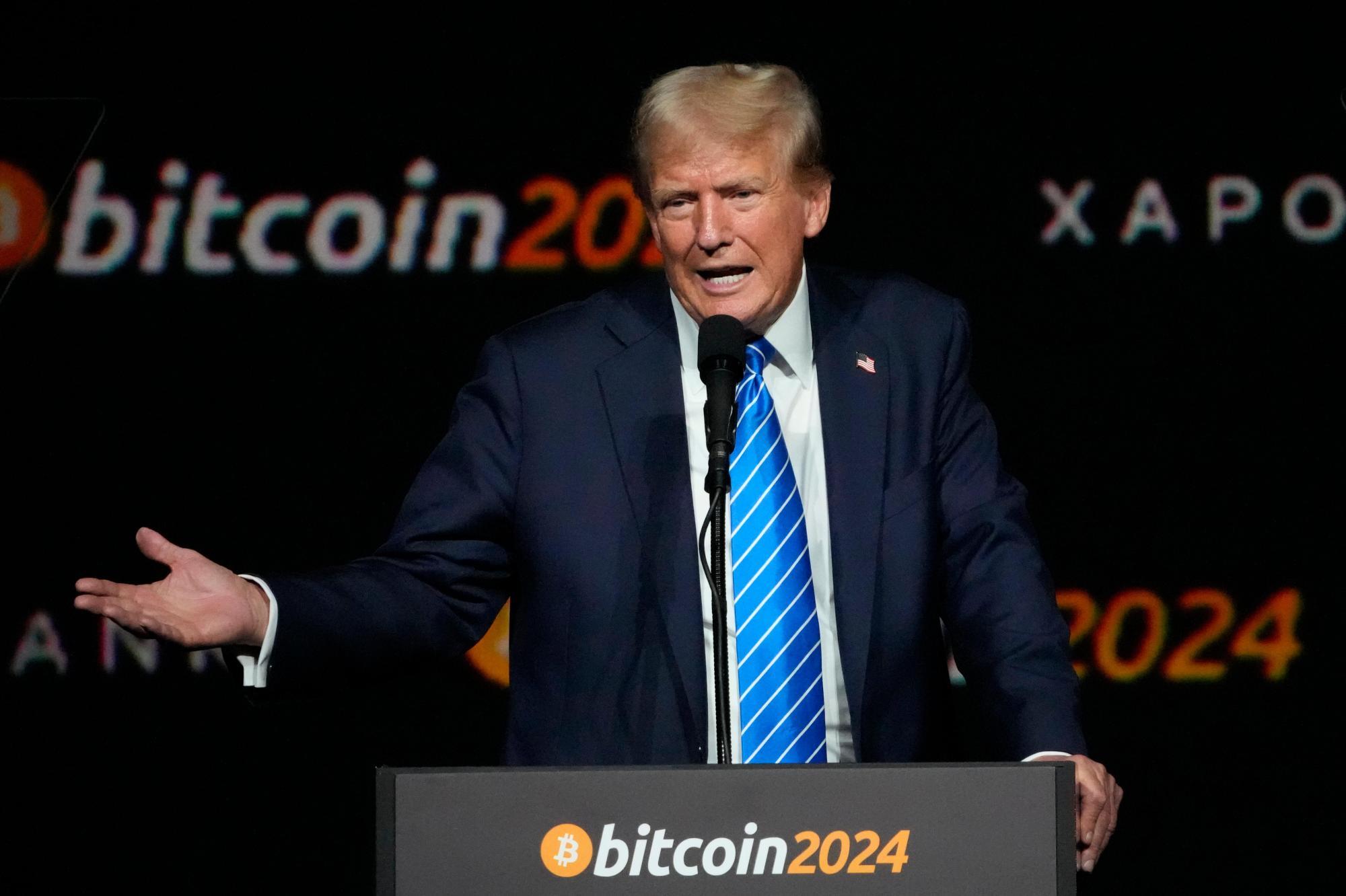
Amid these concerns, the CLARITY Act—a bill advancing in the U.S. Senate focusing on cryptocurrency—has sparked significant debate. Notably backed by Republican lawmakers, this legislation is also a priority for former President Donald Trump and numerous lobbyists connected to the crypto sector. Critics argue that this bill represents a façade of regulatory oversight, masking a cash-grab strategy designed to benefit Trump’s business interests.
Call to Action for Colorado Senators
It is crucial for Democratic Senators in Colorado, specifically John Hickenlooper and Michael Bennet, to consider the implications of supporting the CLARITY Act. Given the ethical issues surrounding this legislation, it is imperative that they resist any pressures to align with this questionable agenda. A “no” vote on the CLARITY Act is essential to uphold the integrity of public service.
Hypocrisy and Conflict of Interest
The contradictions within this legislation are glaring. Former President Trump previously disparaged cryptocurrencies, yet he has shifted his stance upon realizing the potential for significant personal profit. Recent federal financial disclosures indicated that Trump amassed more than $1.4 billion in crypto earnings within a single year, including $635 million derived from a self-branded meme coin.
In a striking example of potential impropriety, regulatory authorities within the executive branch recently granted conditional approval for a national trust bank charter to World Liberty Financial, a cryptocurrency firm affiliated with Trump’s family. Such advancements raise serious ethical questions regarding the separation of personal business interests and governmental responsibilities.
The Potential Impact of the CLARITY Act
Rather than curbing corruption, the CLARITY Act may further entrench it. The proposed legislation includes weak restrictions on public officials profiting from cryptocurrency ventures but falls short of truly safeguarding against conflicts of interest. Notably, while it disallows profit-making for politicians and their spouses, it exempts their adult children, reflecting loopholes that could be exploited.
Challenges to Enforcement
If this legislation were to pass, enforcing its provisions could prove problematic. The role of Attorney General Todd Blanche, a former defense attorney for Trump, raises questions about the impartiality of the enforcement process, given his previous association with the former president.
A Call for Integrity in Governance
It is essential to maintain the integrity of federal banking laws and ensure that the American financial system is protected from exploitation. Senators Hickenlooper and Bennet have a critical responsibility to stand against this pattern of corruption. Their support should focus on fortifying consumer protections and guarding against the threats posed by unreliable financial schemes. The Senate must serve the interests of the American people and not facilitate financial schemes that enrich individuals like Donald Trump.
As representatives of Colorado, it is imperative for Senators Hickenlooper and Bennet to reject this industry-driven initiative and take a stand against the CLARITY Act to safeguard the interests of their constituents and uphold the principles of fair governance.
State Senator Katie Wallace serves District 17, which includes Boulder and Weld Counties in the Colorado State Senate.
To send a letter to the editor regarding this article, please submit online or review our submission guidelines for email correspondence.
