


By Chapin Fay
Escalating Cryptocurrency Scams in Pennsylvania: A Growing Concern
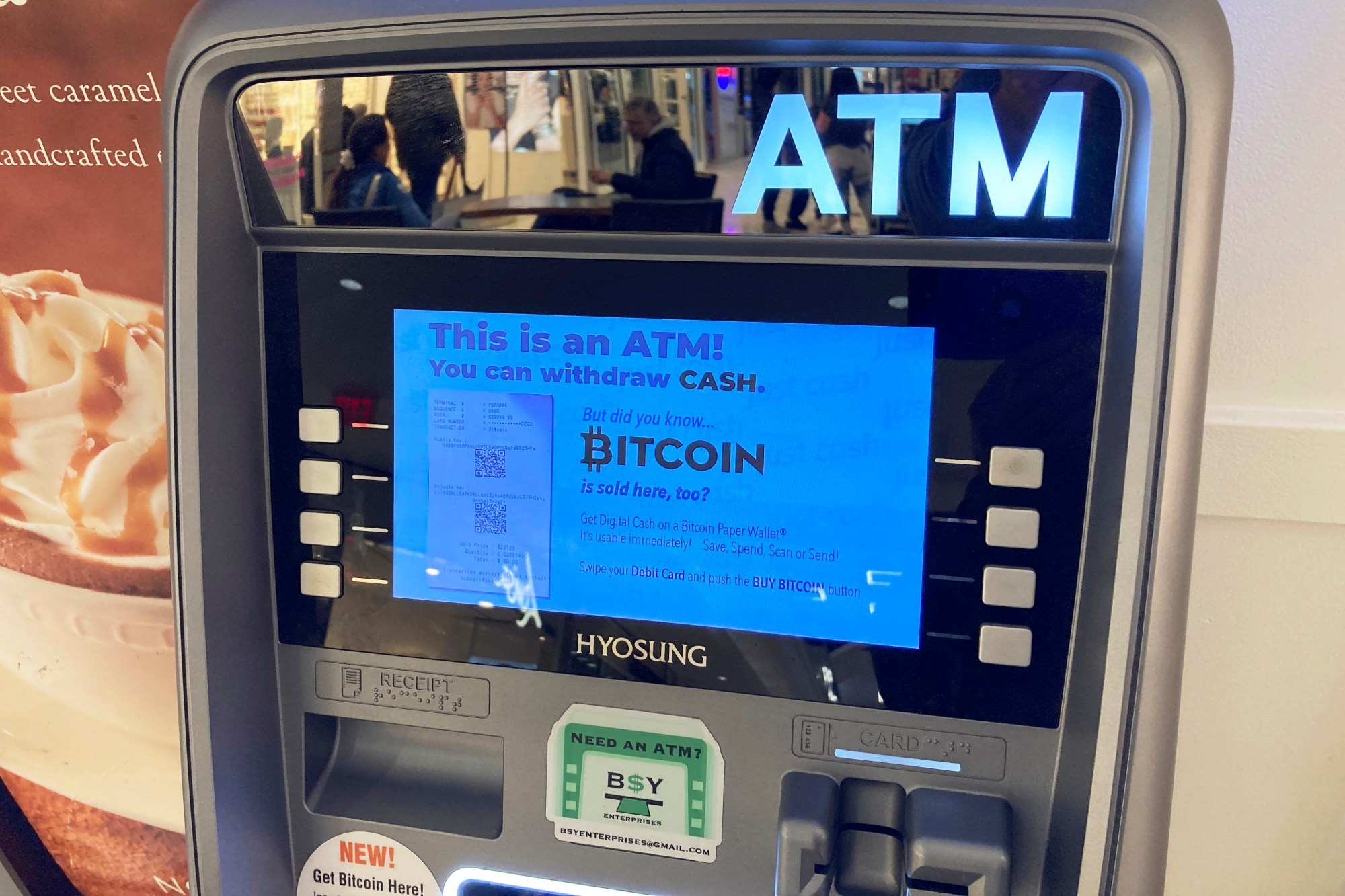
Last autumn, a retired teacher from Douglassville, Pennsylvania, experienced a devastating loss of $16,000. The 74-year-old widow received a call from someone posing as a representative of the Social Security Administration, who falsely claimed that her bank accounts had been compromised. Under the pressure of the situation, she was instructed to withdraw nearly all her funds and convert them into bitcoin at a local ATM, with the promise of receiving a certified check later that night. However, instead of an investment opportunity, this incident marked the transformation of her hard-earned savings into payments directed towards a criminal.
Growing Incidence of Cryptocurrency-Related Scams
The rise in such scams in Pennsylvania indicates a troubling trend that cannot be dismissed as mere isolated incidents. According to the Federal Bureau of Investigation (FBI), in 2025, there were 518 complaints from the state involving cryptocurrency kiosks, resulting in adjusted losses of approximately $14.5 million. On a national scale, the FBI reported over 13,400 similar complaints, encompassing a staggering $388 million in losses, with more than half of these cases involving individuals aged 50 and above.
The Modus Operandi of Scammers
The pattern of these scams stands out for its consistency. Typically, scammers impersonate representatives from trusted entities such as Social Security, banks, or law enforcement agencies. Victims, often in a state of panic, are told they need to act quickly to prevent further losses. The final step in their manipulation often involves directing the victims to a cryptocurrency kiosk, where they are instructed to scan a QR code, effectively converting cash into irretrievable cryptocurrency.
For instance, in a similar case from March, an 82-year-old woman from Delaware County lost $15,000 after calling what she thought was Microsoft technical support. Misled by a supposed technician who discussed foreign espionage, she was redirected to someone posing as a representative of PNC Bank, who advised her to withdraw funds into a bitcoin ATM to secure her account.
Legislative Efforts for Increased Regulation
In response to the rise in these scams, Pennsylvania lawmakers are evaluating House Bill 2643, which proposes establishing a regulatory framework for virtual currency kiosks. This bill aims to introduce measures such as transaction limits, improved consumer warnings, enhanced customer service, and fraud protections. Particularly, it seeks to implement a 72-hour cooling-off period for new customers and establish a pathway for refund retrieval for individuals who report fraud in a timely manner.
The Importance of Transaction Limits and Customer Support
While implementing warning screens may not eliminate every scam, they serve as a critical initial deterrent. By the time victims reach these kiosks, they have often endured prolonged pressure and manipulation, receiving directives to keep the conversation secret. A scammer who maintains control over a victim for hours may easily bypass generic legal disclaimers.
Thus, transaction limits and the establishment of a mandatory waiting period are valuable measures. Furthermore, having responsive customer service representatives can offer an essential safeguard, providing an opportunity to challenge the victim with the question: “Who instructed you to send this money?”
Targeting the Source of Transactions
Pennsylvania’s approach should focus on regulating the service points where cash transitions to cryptocurrency, rather than attempting to oversee blockchain operations. Operators of these kiosks must bear a degree of responsibility for monitoring and filtering out clear instances of fraudulent transactions, particularly as they profit from handling cash transfers.
Why Prevention Matters Now
The teacher from Douglassville was not seeking to invest in cryptocurrency; she was merely attempting to safeguard her savings built over a lifetime. This distinction is vital, as future victims may also be unfamiliar with cryptocurrency or not even contemplating its purchase.
Moreover, once a scam has successfully been executed, recovering the funds can prove to be an arduous task. Cryptocurrency transactions can be swift, complicating efforts by law enforcement who are often racing against criminals operating outside local jurisdictions. Implementing preventative measures at the kiosk level is not only more effective but also more cost-efficient than attempting to pursue recovery after the fact.
A Call to Action
While it is unrealistic to think all scam calls can be eradicated, there are opportunities to make it significantly harder for scammers to convert fear into irretrievable payments. Pennsylvania lawmakers are positioned to enact meaningful regulations that can protect vulnerable residents from falling victim to these schemes.
Chapin Fay is the executive director of Crypto Watchdog and is an attorney with over 25 years of expertise at the intersection of media, law, government, and public affairs. He has previously served as investigative counsel to the U.S. House Oversight and Government Reform Committee.
