


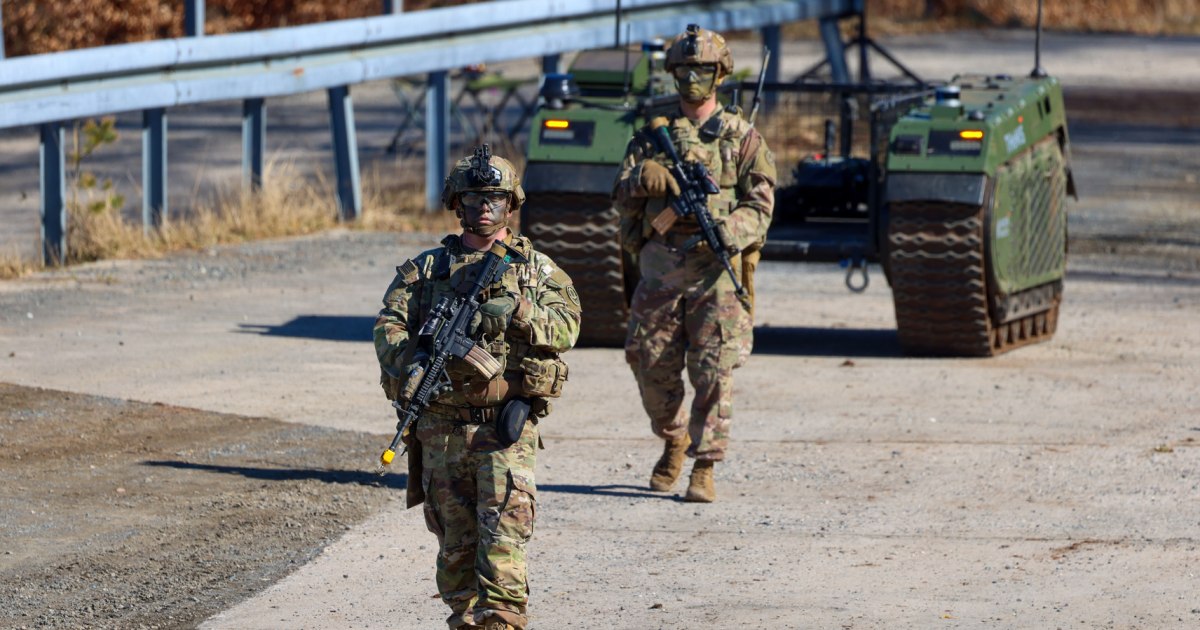
Two leading Republican lawmakers on Saturday expressed concern about President Donald Trump’s decision to withdraw 5,000 U.S. troops from NATO ally Germany.
Subscribe to read this story without ads
Get unlimited access to ad-free articles and exclusive content.

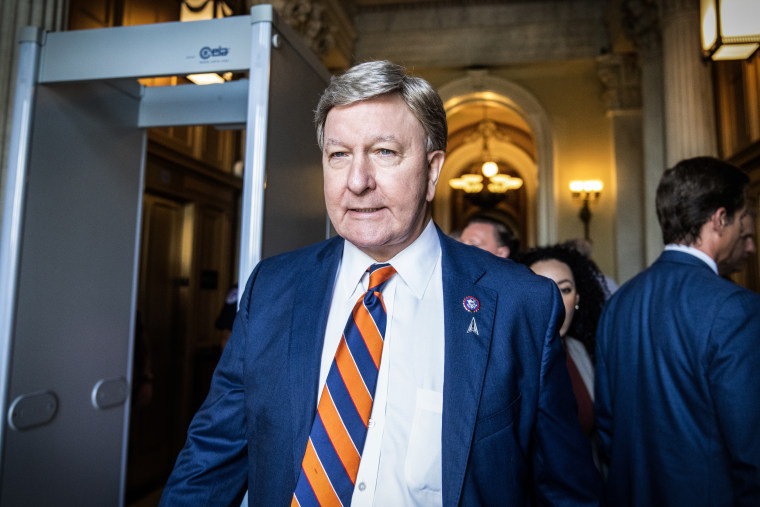
Sen. Roger Wicker (R-Mississippi) and Rep. Mike Rogers (R-Ala.), the chairs of the House and Senate Armed Services Committees, each said in a joint statement that they were “deeply concerned by the decision to withdraw U.S. brigades from Germany.”
The president said Saturday that further troop reductions in Europe could occur after the Pentagon announced withdrawals. “We’re going to make a big cut, and we’re going to make an even bigger cut by 5,000 people,” Trump told reporters.
The decision to reduce troops came after German Chancellor Friedrich Merz told students earlier this week that the United States was “humiliated by the Iranian leadership,” an unusually outspoken statement that sparked a backlash from Washington. There are currently about 40,000 U.S. troops stationed in Germany, the largest force in Europe.
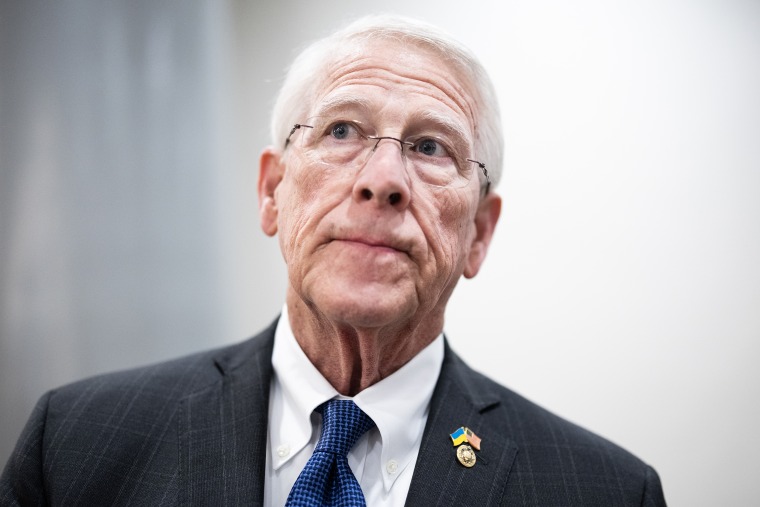
“It is in the United States’ interest to maintain a strong deterrent in Europe,” Wicker and Rogers said, warning that it would send a signal to Russia to reduce the U.S. presence on the continent.
European leaders have already expressed a renewed desire to expand their independent defense capabilities amid disagreements with the Trump administration over Ukraine, Iran, Greenland and the North Atlantic Treaty Organization (NATO).
But Wicker and Rogers cautioned that even with increased spending, “it will take time to shift the investment in military forces needed to assume the primary responsibility of conventional deterrence.”
It added: “Prematurely reducing America’s forward presence in Europe before these capabilities are fully developed risks undermining deterrence and sending the wrong signal to President Vladimir Putin.”
At the 2025 NATO summit in The Hague, allies committed to investing 5% of their gross domestic product annually in defense by 2035.
German Defense Minister Boris Pistorius said in a statement on Saturday that the troop withdrawal was “foreseeable” and reiterated that “Europe must take more responsibility for our security.”
More harsh words came from some European leaders, with Polish Prime Minister Donald Tusk calling the rift between Europe and the US a “disastrous trend” and writing on X: “The greatest threat to the transatlantic community is not external enemies, but the ongoing disintegration of our alliance.”
Tusk indicated on Sunday that the issue would likely be on the agenda at a European summit in Yerevan, Armenia.
He said the summit “shows that transatlantic ties and European-American friendship are our common responsibility. And there is no substitute for this. We need each other more than ever.”
The Democratic Party also condemned the announcement. Rep. Adam Smith, D-Wash., the ranking Democrat on the House Armed Services Committee, said the decision was “not based on consistent U.S. national security policy” and would “embolden Russia.”
He also said the decision was “contrary to the spirit of the legislation that Congress overwhelmingly passed last year,” referring to a measure in the 2026 Defense Act that would limit the Pentagon from unilaterally reducing troop strength in Europe below a 76,000-troop threshold without approval.
NATO spokeswoman Alison Hart said the alliance was working with the United States to “understand the details” of the decision to draw down the alliance.
For weeks, President Trump has publicly criticized NATO and European allies, including Germany, over what he sees as weak or no support for a war with Iran. He has also hinted at the possibility of the US leaving NATO, while members of his administration have also warned that the alliance cannot be a “one-way street.”
Pentagon chief spokesman Sean Parnell said in a statement Friday that the withdrawal will be completed over the next six months to a year.
“This decision is the result of a thorough review of the Department of Defense’s force posture in Europe and recognizes theater requirements and local conditions,” he said.
