


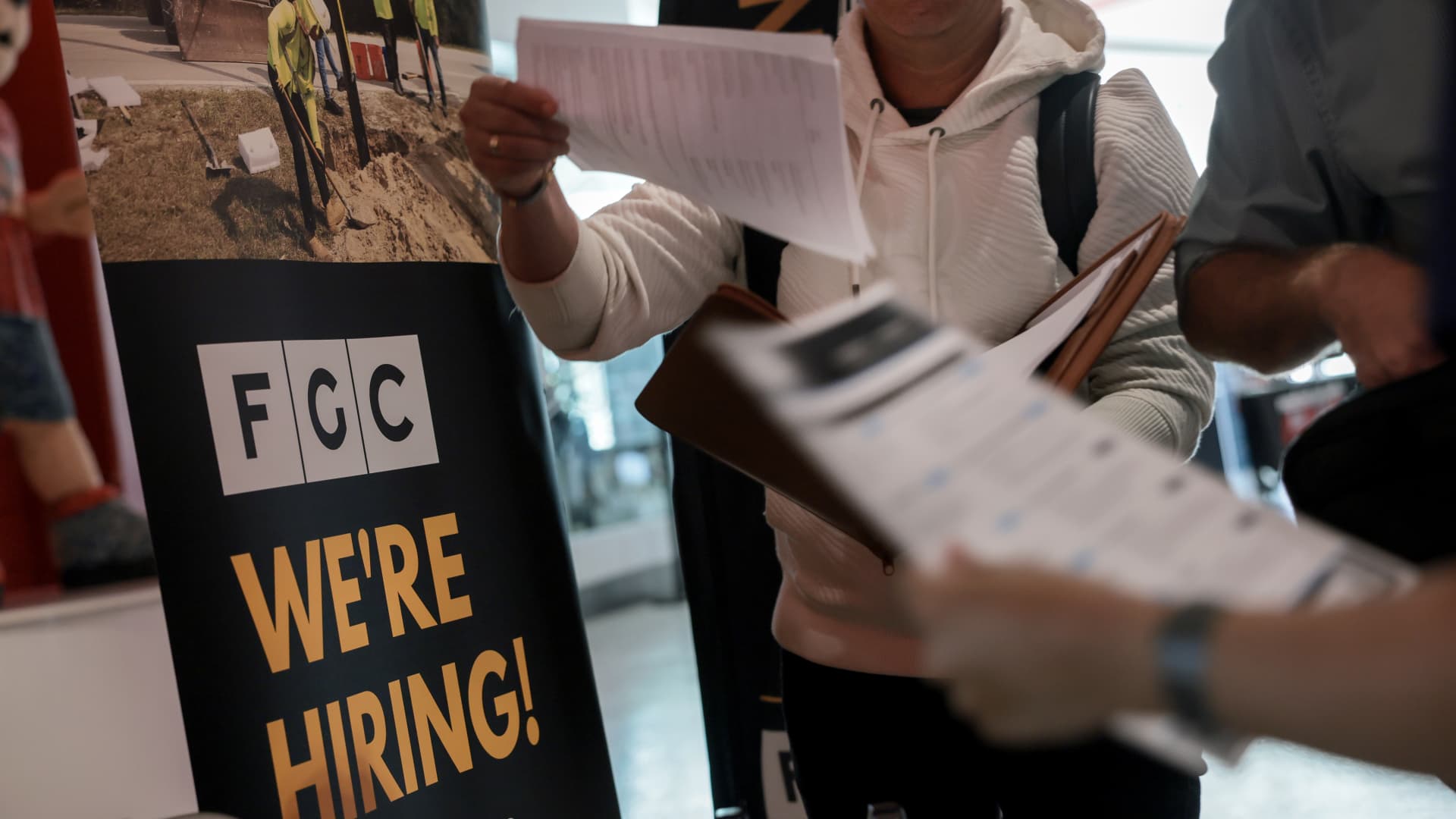
The recent October jobs report from the Bureau of Labor Statistics revealed surprising growth in the U.S. job market, challenging the prevailing concerns about job losses due to the rise of artificial intelligence (AI). This new data indicates a net gain in jobs as businesses adapt to and adopt AI technologies.
In October, nonfarm payrolls increased by 165,000 jobs, significantly exceeding economists’ predictions, which had anticipated a mere 59,000 jobs for the month.
Consulting Sector Growth
Notably, the consulting sector experienced substantial growth, with the number of management, scientific, and technical consultants expanding by 17,300 jobs between September and October. This increase marks the sector’s largest month-over-month gain in nearly two years, contributing to 25% of the overall gains in the professional and business services sector.
This surge brings the total employment in this category to over 1.9 million for the first time, with an annual job growth exceeding 45,000. The fear that AI would diminish the need for consulting services had previously led to a decline in share prices for firms like Gartner, Accenture, and FTI Consulting over the past three years. However, with the rise of AI technologies, some economists suggest that businesses may be increasingly hiring consultants to navigate this new landscape.
Jeffrey Roach, chief economist at LPL Financial, stated, “The AI buildout and corporate interests to increase utilization will keep the technical consultants employed.” This mirrors similar trends seen during the internet boom in the late 1990s, suggesting the consulting sector could be resilient in the evolving job market.
Temporary Positions on the Rise
Growth also came from hiring temporary workers, with an increase of 18,600 jobs in this category, indicating a potentially warming labor market. Temporary positions accounted for 27% of the professional services sector’s overall gains in October.
While this temporary workforce remains below the record highs of 2022, it has shown a 3% increase since December, aligning with levels last seen in April 2025. As companies often utilize temporary hires as a precursor to full-time positions, this trend suggests cautious optimism. Nevertheless, as the holiday shopping season approaches, the retention of these workers might hinge on seasonal demands rather than permanent hiring.
Political Campaign Influences
Another factor influencing job growth this October may be recent political campaign activities. Employment within political organizations tends to spike leading into elections, and historical data reveals that previous election cycles have seen similar payroll expansions. This year’s congressional elections are projected to be the most expensive midterm elections on record, potentially translating to increased staffing for various campaign-related activities.
Estimates suggest that billions of dollars spent on campaigns could result in more jobs for election work, such as door-to-door outreach and phone banking efforts.
The Bigger Picture on AI and Employment
Overall, preliminary analyses suggest that rather than eliminating jobs, AI technologies might be fostering job creation. A report from Moody’s Analytics noted a net addition of 786,000 jobs since the launch of ChatGPT in November 2022, driven significantly by the construction of data centers. Mark Zandi, Moody’s chief economist, remarked on the unexpected job creation, affirming that, “For now, AI is adding to job growth, not subtracting from it.”
Moving forward, the relationship between AI advancements and job creation will continue to evolve, capturing the attention of economists and industry leaders as they monitor these significant trends in the labor market.
