


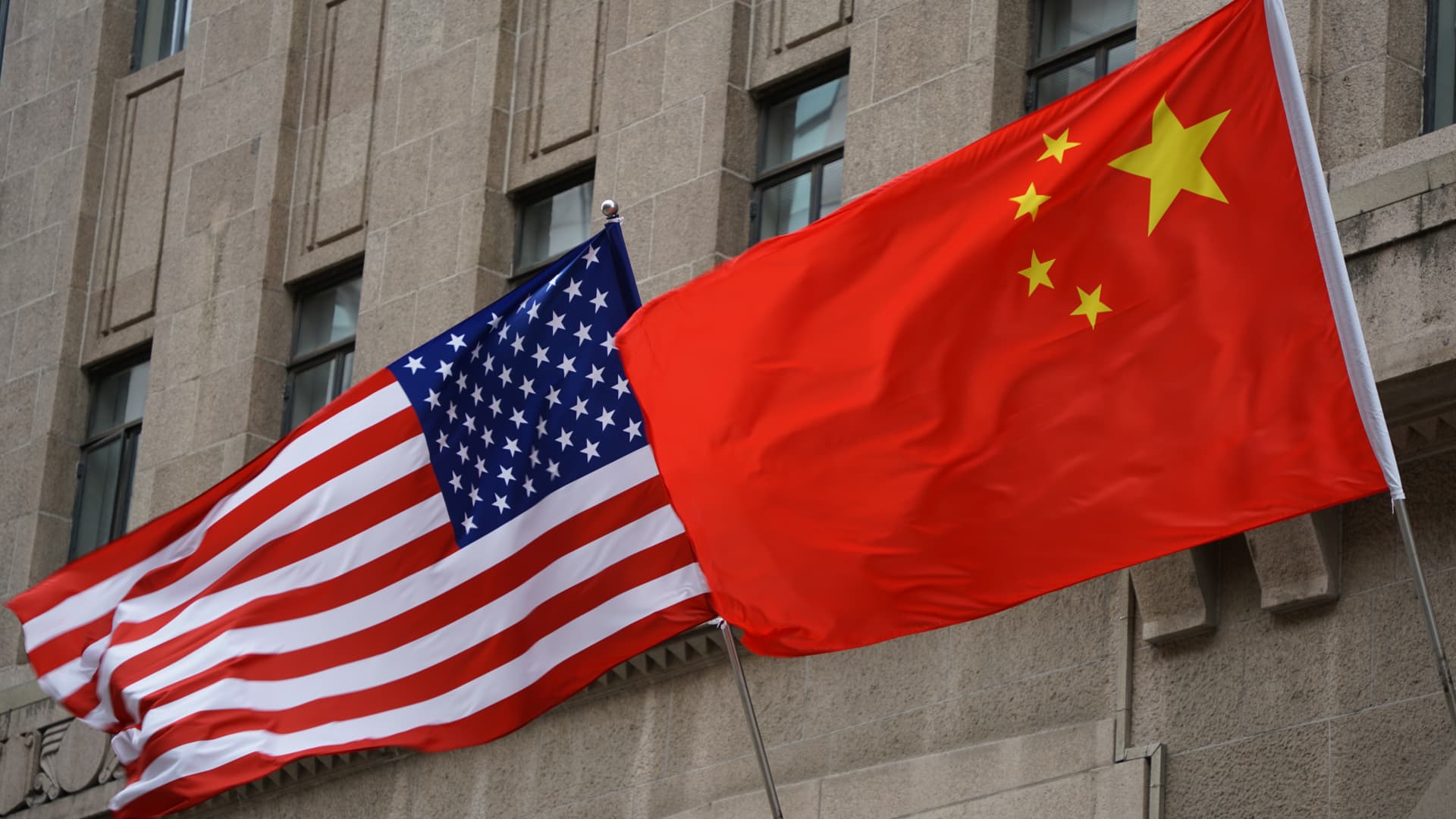
On Wednesday, Gita Gopinath, the Deputy Managing Director of the International Monetary Fund (IMF), discussed the global repercussions of the growing trade and tariff disputes between the U.S. and China during an interview with CNBC.
Gopinath pointed out that while overall trade as a share of GDP remains steady, the dynamics of trade relationships are shifting significantly around the globe, stating, “Geopolitical trade is adjusting worldwide.” She noted that trade exchanges between the U.S. and China have been on a downward trend, with certain transactions being redirected through alternative nations.
This year has seen rising trade tensions, particularly between the U.S. and China, as well as the EU and China, following the implementation of substantial tariffs on Chinese goods, attributed to perceived unfair trade practices.
In response, China has temporarily increased tariffs on some products imported from the EU as part of ongoing retaliations.
According to Gopinath’s analysis, should tariffs continue to escalate, it would result in widespread economic harm. She emphasized that any surge in tariffs would negatively impact output across the globe, increasing inflationary pressures, and stressed, “This is not a route we want to take,” during a discussion on the sidelines of the IMF’s annual meeting in Washington.

Gopinath’s insights align with comments made last week by IMF Managing Director Kristalina Georgieva, who explained that international trade no longer drives global growth as effectively as it once did, and that retaliatory trade measures can be damaging not just for those targeted, but also for the nations imposing them.
Tim Adams, the CEO of the Institute of International Finance, echoed her sentiment, cautioning that the tariff policies proposed by U.S. presidential candidate Donald Trump could obstruct efforts to combat inflation and potentially elevate interest rates.
Gopinath further highlighted that fostering amicable relations between the U.S. and China is crucial for the global community, asserting, “It’s in everyone’s best interest to sustain these alliances.”
In its latest World Economic Outlook report, the IMF underlined that a rise in protectionist measures poses a significant threat to economic growth. The report cautioned that a major withdrawal from the established rules of international trade is prompting unilateral approaches from various countries, stating, “Strengthening protectionist tactics will intensify global trade tensions, disrupting supply chains and weighing on long-term growth prospects.”
—This article includes contributions from Jenny Reid of CNBC.
