


Social media is already reshaping politics, culture, and public opinion. Financial markets are currently being restructured, often putting everyday investors at risk.
Nowhere is this more evident than in cryptocurrencies, where the lack of basic disclosure rules has turned parts of the industry into a modern-day version of the penny stock era. Influencers can secretly get paid to promote tokens, hype retail investors into buying them, and then sell them for a profit, without telling anyone they were paid.
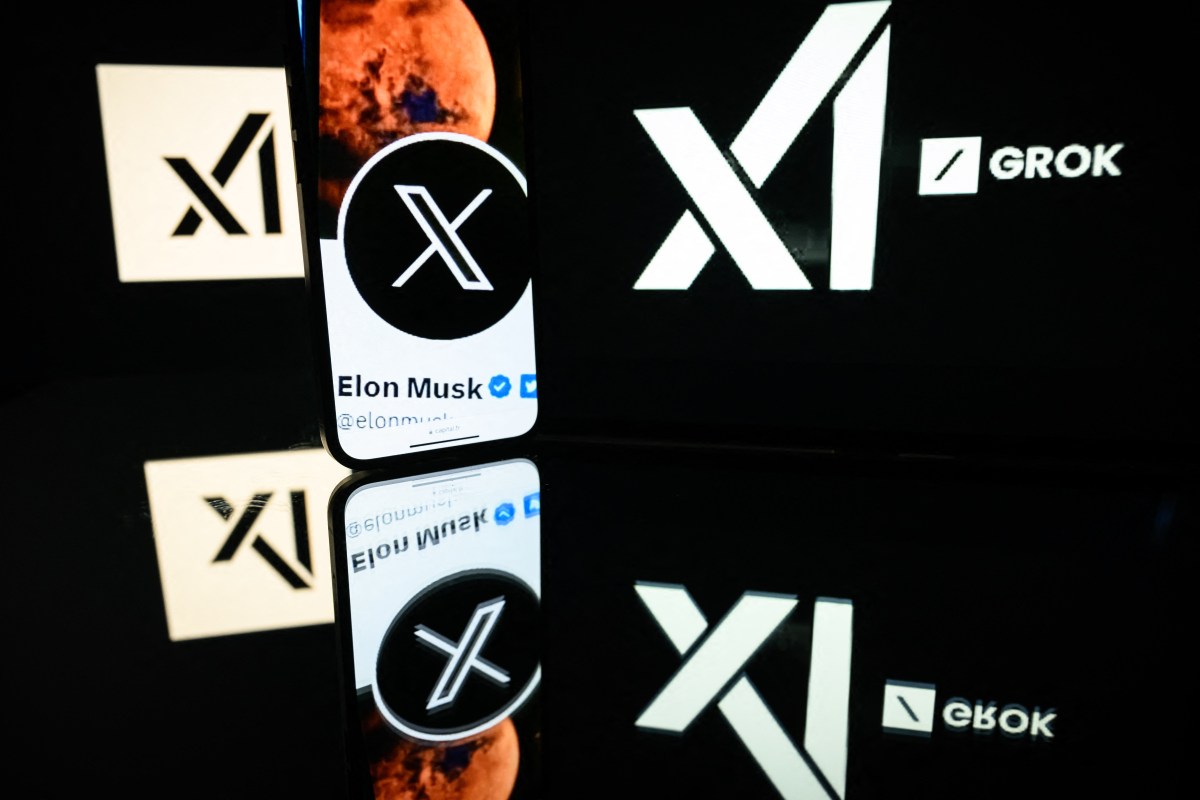
While some platforms are trying to curb private financial promotion, X is going in the opposite direction. Under the leadership of Elon Musk, crypto promotion has become increasingly opaque, it has become difficult to identify the influencers being paid, and the platform has evolved as fertile territory for influencer-driven pump-and-dump schemes that routinely mislead retail investors.
If Musk refuses to raise standards for disclosure and accountability, the crypto community will need to find an entirely new information hub. The financial debate calls for platforms that ban fraudsters, identify conflicts of interest, and treat market manipulation as a threat rather than a business model.
X is overrun by private promotions and insider gaming
In the stock market, not disclosing paid promotions is a form of securities fraud. It’s Tuesday in cryptocurrencies.
The X crypto community has become a swamp of influencer astroturfing and market manipulation. Cryptocurrency projects enlist social media influencers (often referred to as “key opinion leaders” or “KOLs”) to promote dubious products to unsuspecting followers. Influencers actively identify themselves as organic supporters and rarely disclose that they are being compensated.
Cryptocurrency projects often reward influencers in the form of tokens, which generally increase in price as the project gains momentum (similar to traditional stocks). Those influencers then hype the project, speak like neutral analysts, preach their beliefs, inflate the value of their tokens, and then quietly drop them off to unsuspecting followers. Incentives for influencers are simple. Promote your project, create FOMO (fear of missing out), and then pitch it to the surge you helped build.
In a regulated stock market, this action would violate basic investor protection laws. The SEC considers undisclosed promotional activities to be a form of securities fraud. However, the same tactics are prevalent in the public sphere in cryptocurrencies.
The similarities to the penny stock era are striking. The influencer economy has become the modern equivalent of the boiler room pitches, secret promoter deals, and pump-and-dump schemes of the 1980s.
Cryptocurrencies lack basic disclosure standards
Traditional markets have strict rules regarding promotions. Those who hype investments must disclose whether they receive compensation, whether they hold assets, and who compensated them. These rules exist for a reason. There’s a big difference between someone who truly loves a stock and someone who is contractually obligated to promote it.
Regulators can punish both parties for undisclosed promotions in stock. Promoters may be subject to fines and enforcement, and issuers that pay them may be held liable as well. Encryption completely avoids this responsibility. If you pay someone to secretly buy more stock, you run the risk of being prosecuted. Paying someone to pump tokens is hailed as growth marketing. Retail businesses become collateral damage.
Some major platforms are trying to curb hidden advertising by mandating disclosure labels and paid partnership tags. Google, Meta, and Instagram are restricting financial promotions and forcing influencers to mark their content as sponsored. It at least draws a line between opinion and advertising. X provides no such protection. The majority of cryptocurrency promotions do not go through formal advertising tools at all. They exist in threads, livestreams, YouTube synopses, Telegram hype cycles, and other forms with no traceable trace of sponsorship.
Why did X become the center of secret promotion?
X has emerged as a major funnel in the universe-wide cryptocurrency story. That’s because X never actually tried to stop them. Instagram and TikTok promote the disclosure of visible advertising. YouTube flags sponsorships and lists affiliated partners. These norms create friction for those attempting secret transactions.
But X is mixing small amounts of money into normal discourse. Paid pump posts look just like regular papers. The result is a massive retail ecosystem built on undisclosed advertising deals. In effect, it’s a Trojan horse advertising market that disguises paid promotions as organic excitement.
The problem goes beyond retail losses. Models like Grok learn directly from X. Other AI models and emotion scraping systems are trained with the same surface-level noise. When manipulated content is fed into next-generation crypto analysis tools, there is a risk of creating an automated feedback loop of misinformation. Costs are not just monetary. It’s intellectual. We are compromising the layers of information that the industry relies on to understand itself.
Cryptocurrencies need mandatory disclosure and penalties for manipulation
If X refuses to counter secret promotion, the crypto community, and anyone seeking investment advice, should treat it as a design flaw and move elsewhere. We need a platform where the discussions are honest, the incentives are visible, and where retail participants don’t walk into a casino believing it’s a research desk. The legitimacy of this industry depends on transparency regarding compensation and vested interests. Disclosure regarding paid promotions, token allocation, and financial incentives should be standard practice.
Clear rules protect retailers, separate legitimate builders from bad actors, and weaken the power of covert hype cycles that turn markets into slot machines. Regulation will eventually come and should be welcomed. In the meantime, the industry needs to govern itself through better platform choices and cultural pressure. The future of finance should not be built on networks that reward covert operations.
If X refuses to clean up its act, the crypto community should walk away.
Shane Molidor is the founder and CEO of Forgd, a token advisory and optimization platform that provides seamless access to essential tools for blockchain projects.
