

Close Menu
Cryptosphere Update
  • Crypto News
  • Economy
  • Crypto Markets
  • World News
  • Technology
  • Breaking Views
What's Hot

Bitcoin falls to $74,000 below CPI as Nvidia increases stock volatility

November 9, 2026

Joe Biden to scale back book tour as cancer ‘slows me down’

November 9, 2026

China wholesale inflation hits highest in more than four years

November 9, 2026
Facebook X (Twitter) Instagram
Trending
  • Bitcoin falls to $74,000 below CPI as Nvidia increases stock volatility
  • Joe Biden to scale back book tour as cancer ‘slows me down’
  • China wholesale inflation hits highest in more than four years
  • They are last place in their own division — and a legitimate Super Bowl contender
  • Meta AI predicts XRP safety following recent Ripple security incident
  • Nvidia opens investigation after reports CEO Jensen Huang was targeted by Chinese intelligence
  • Democrats won big on Election Day. But can they agree on AI?
  • JP Morgan stock falls due to Epstein investigation concerns: Bitcoin doesn’t have a CEO involved in scandal
Facebook X (Twitter) Instagram
Cryptosphere Update
  • Crypto News
  • Economy
  • Crypto Markets
  • World News
  • Technology
  • Breaking Views
Crypto Heatmap
Cryptosphere Update
Home » Democrats won big on Election Day. But can they agree on AI?
World News

Democrats won big on Election Day. But can they agree on AI?

Leslie StewartBy Leslie StewartNovember 8, 2026No Comments3 Mins Read
Facebook Twitter Pinterest LinkedIn Tumblr Email
Democrats won big on Election Day. But can they agree
Share
Facebook Twitter LinkedIn Pinterest Email

As the political landscape shifts following recent midterm elections, Democrats are grappling with the implications of artificial intelligence (AI) and its regulation. With growing public concern about AI technologies, lawmakers are considering how to address the complexities of this evolving issue.

In their victory speeches, newly elected officials shared diverse views on technology and its impacts. For instance, New Hampshire’s Sen.-elect Chris Pappas criticized data centers, claiming they negatively affect local communities, while Minnesota’s Sen.-elect Peggy Flanagan expressed intentions to restrain AI’s role in insurance decisions. These statements underscore a recognition among Democrats that AI policy is urgent and essential.

President Donald Trump presents a contrasting perspective, advocating for limited regulation in order to foster innovation in AI. He has often referred to AI as a “golden goose” and emphasized the economic benefits of data centers. This divergence of opinion poses challenges for Democrats, who face pressures to address voters’ concerns without stifling technological progress.

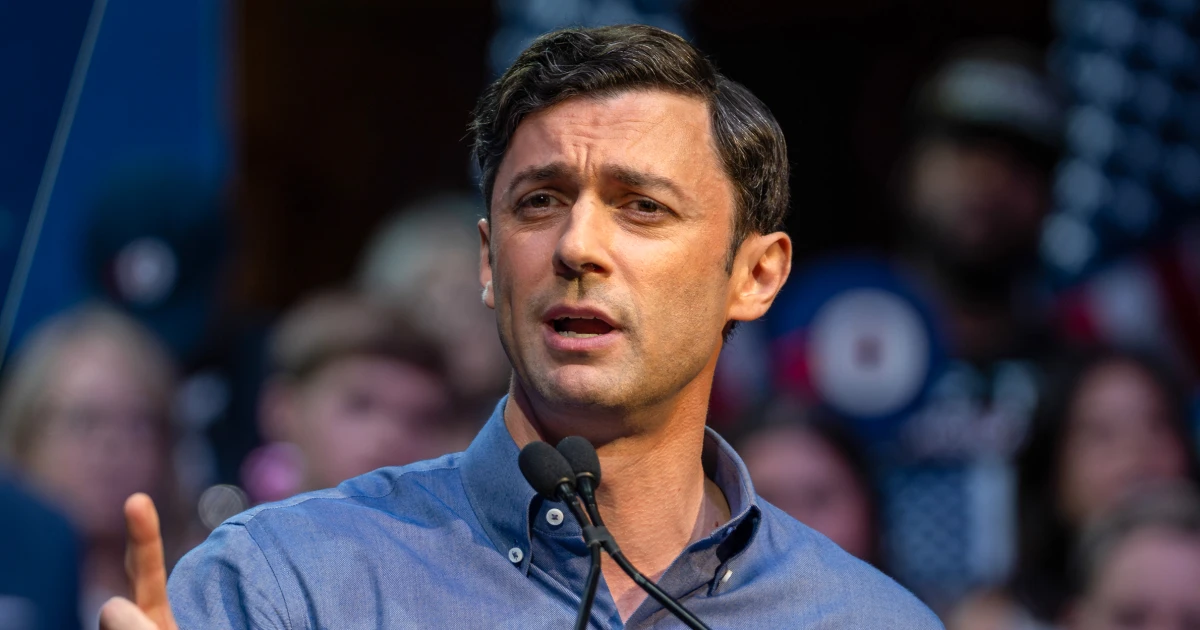
Incoming representative Scott Wiener emphasized that there is a consensus among House Democrats for action on AI regulation, despite differing views on the specifics. Some, like Sherrod Brown from Ohio, have spotlighted the negative consequences of data centers, which have put strain on local resources. In contrast, Georgia’s Sen. Jon Ossoff raised alarms about the existential threats posed by AI, expressing concern over an industry invested in creating potentially hazardous technologies.

Polls indicate that AI’s role was significant in the election, with a striking 56% of voters considering AI concerns important to their decisions. This notable impact highlights shifting public sentiment towards technology regulation, bringing AI into mainstream political discussions.

However, analysts warn that varied approaches among Democrats could lead to disjointed policies. As noted by Samuel Hammond of the Foundation for American Innovation, there is a spectrum of proposals, from Bernie Sanders’ push for a ban on artificial superintelligence to practical regulatory updates concerning infrastructure. This could result in diluted legislation if not managed cohesively.

Conversely, Alex Bores, a New York Assembly member behind the significant RAISE Act, argues that a range of priorities can collectively forward critical initiatives. He believes that pursuing multiple regulatory pathways is beneficial, as long as they remain focused on safeguarding the public against potential harms from AI technologies.

Past proposals, such as the FRONTIER Act, which sought enhanced oversight and testing for advanced AI systems, indicate a burgeoning interest in bipartisan efforts. However, uncertainties remain as elections result in shifting alliances and intensified competition among lawmakers.

Historically, major AI legislation has faced hurdles; Trump’s administration has consistently opposed such measures, fearing economic setbacks. The president’s statements underscore a philosophy that prioritizes economic benefits over regulatory frameworks.

While Trump’s influence persists, recent electoral shifts could encourage Republicans to address AI concerns more openly, potentially finding common ground with Democrats. Hammond suggests that this new dynamic may loosen tech-related financial pressures on Republicans, allowing for more substantial bipartisan dialogue.

As Congress moves forward, the complex interplay between innovation and regulation will likely shape the future of AI legislation. Voter awareness and legislative action in this area suggest a critical evolution in how technology is governed—one that will require cooperation among political factions dedicated to both technological advancement and public safety.

agree big day Democrats election won
Share. Facebook Twitter Pinterest LinkedIn Tumblr Email
Leslie
Leslie Stewart

Related Posts

Joe Biden to scale back book tour as cancer ‘slows me down’

November 9, 2026

They are last place in their own division — and a legitimate Super Bowl contender

November 9, 2026

Nvidia opens investigation after reports CEO Jensen Huang was targeted by Chinese intelligence

November 8, 2026

Sen.-elect James Talarico kicks off ‘SNL’ days after historic win in Texas

November 8, 2026
Add A Comment
Leave A Reply Cancel Reply

Popular Posts

Why are cryptocurrencies falling today?Bitcoin drops to $75,000 due to chip crash

November 6, 2026

2026 midterms: Economy, Iran war hit Trump and GOP

November 4, 2026

Job openings posted big September gain in positive sign for labor market ahead of payrolls report

November 3, 2026

Rachel Apa, 24-year-old NYC marathon runner, dies from rare muscle condition rhabdomyolysis

November 3, 2026
Latest Posts

Bitcoin falls to $74,000 below CPI as Nvidia increases stock volatility

November 9, 2026

Joe Biden to scale back book tour as cancer ‘slows me down’

November 9, 2026

China wholesale inflation hits highest in more than four years

November 9, 2026

Subscribe to Updates

Subscribe to our newsletter and stay updated with the latest news and exclusive offers.

About
About

At Cryptosphere Update, we are dedicated to bringing you in-depth coverage of the rapidly evolving crypto landscape, from market trends and emerging blockchain projects to regulatory developments and expert analysis. Our mission is to keep you informed and ahead of the curve in the ever-changing world of digital assets.

Facebook X (Twitter) Instagram Pinterest YouTube
Don't Miss

Bitcoin falls to $74,000 below CPI as Nvidia increases stock volatility

November 9, 2026

Joe Biden to scale back book tour as cancer ‘slows me down’

November 9, 2026

China wholesale inflation hits highest in more than four years

November 9, 2026
Newsletter

Subscribe to Updates

Get the latest creative news from FooBar about art, design and business.

© 2026 Cryptosphere Update. All Rights Reserved.
  • About Us
  • Contact Us
  • Privacy Policy
  • Terms and Conditions
  • Disclaimer

Type above and press Enter to search. Press Esc to cancel.