


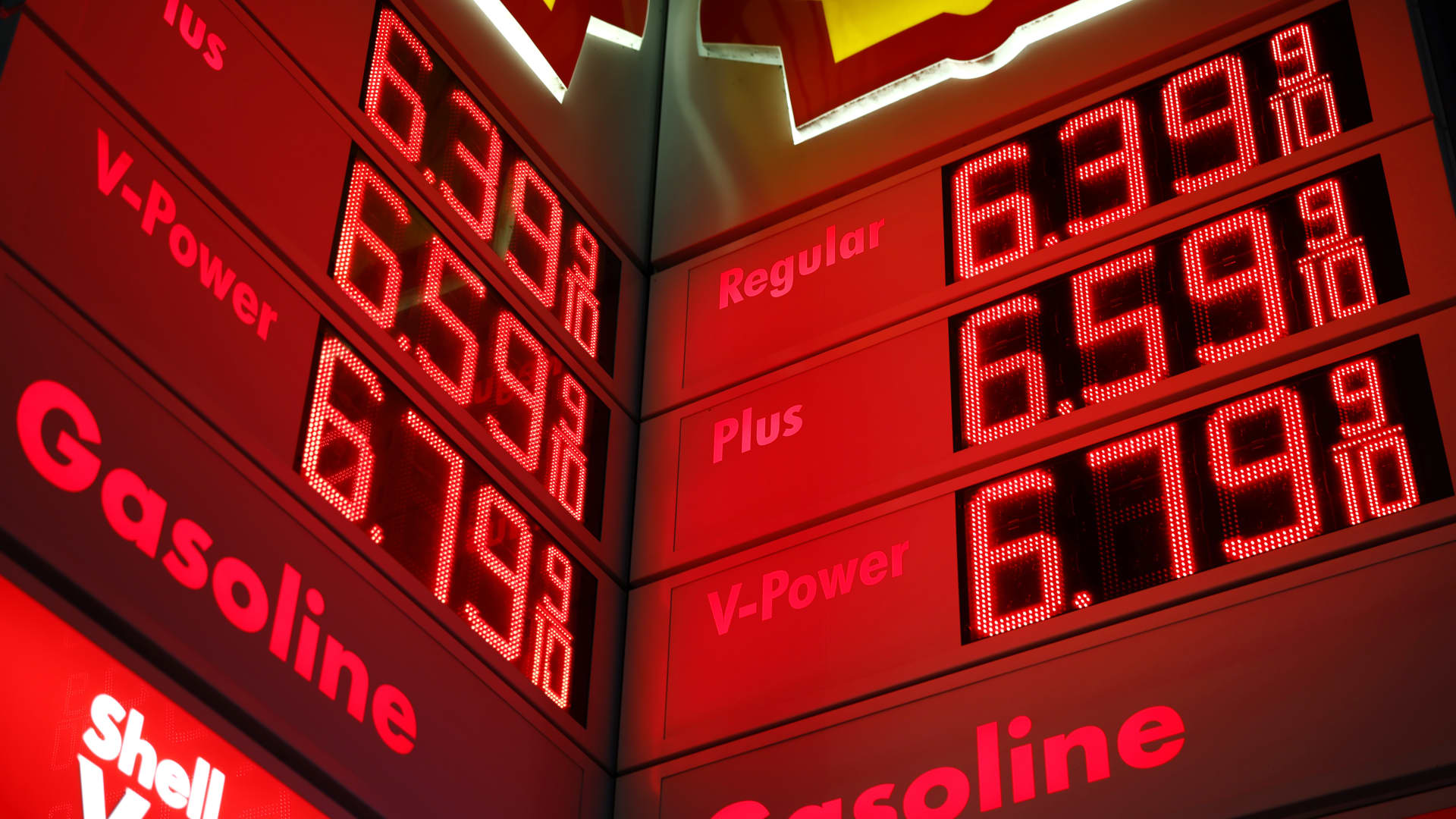
The prices consumers pay for a wide range of goods and services rose faster than expected in April, as further spikes in energy prices further heightened concerns about the impact of inflation on the U.S. economy.
The Consumer Price Index rose a seasonally adjusted 0.6% in the month, bringing the yearly pace to 3.8%, the Bureau of Labor Statistics said Tuesday. The monthly rate was in line with expectations, but the annual rate was 0.1 percentage point above the Dow Jones consensus.
Excluding food and energy, core CPI rose 0.4% and 2.8%, respectively, and inflation remained well above the Fed’s 2% target as monthly interest rates hit their highest levels since January 2025. Fed officials believe the core is a better indicator of long-term inflation trends.
The annual headline inflation rate was the highest since May 2023, rising 0.5 percentage point from March. The core inflation rate rose by 0.2 percentage points annually.
Energy prices rose by 3.8%, accounting for more than 40% of the total increase, and food prices also rose by 0.5%. For energy, the 12-month increase was 17.9%, while groceries rose 3.2%. The gasoline index rose at an annual rate of 28.4%. Household food prices rose 0.7%, the largest monthly increase since August 2022.
Although energy, and gasoline in particular, has been in the headlines, inflationary pressures are coming from a variety of other areas as well.
Shelter costs rose 0.6% after easing last month, showing that inflation is an issue beyond the impact of the Iran war. Tariff-sensitive apparel categories increased by 0.6%, and airfares accelerated by 2.8%, bringing the 12-month rate of increase to 20.7%. Tariffs also appear to be affecting other sectors, with home furnishings and business rising 0.7%.
New car prices fell 0.2%, but used car and truck indexes were flat. Medical expenses decreased by 0.1%, and hospital services decreased by 0.3%. Health insurance also decreased by 0.4%, but car insurance increased by 0.1%.
The report also contained bad news for workers, with real average hourly wages down 0.5% for the month and 0.3% for the year.
Stock market futures turned negative after the news, but U.S. Treasury yields rose. Traders also raised the probability that the Fed will raise interest rates by the end of the year to about 30%, according to CME Group data.
“Inflation is currently the main drag on the U.S. economy,” said Heather Long, chief economist at Navy Federal Credit Union. “This is hurting the American people. There is a real fiscal strain underway. For the first time in three years, inflation is eating up all of the wage increases. This is a setback for middle-class and low-income families, and they know it.”
The latest inflation news comes at a crossroads for the Fed, which has kept its benchmark interest rate unchanged throughout the year amid concerns among policymakers about where the central bank should go and how to communicate its intentions.
In late April, the Fed voted again to leave the measure unchanged, but with four dissenting voices, the most since 1992. Fed board member Stephen Millan voted again in favor of cutting rates by a quarter of a point, while three regional governors voted against language that markets saw as an indicator that the next move would be a rate cut.
At the same time, incoming chairman Kevin Warsh has advocated lowering interest rates, but it will be difficult to deal with the explosion in inflation since the fighting in Iran began. Energy prices are skyrocketing, with oil exceeding $100 per barrel nationwide and gasoline averaging more than $4.50 per gallon, according to AAA.
“Given that inflation is trending in the wrong direction and the labor market is holding up, it’s very unlikely that the Fed will be able to cut rates anytime soon, and may even start pricing in rate hikes next year,” said Chris Zaccarelli, chief investment officer at Northlight Asset Management.
Although the stock market has remained resilient amid rising interest rates, consumer sentiment has hit an all-time low. Major average stock prices are just below their all-time highs as a strong earnings season for American companies draws to a close.
Personal consumption is also holding up, but this is mainly driven by higher income groups and the overall trend of rising prices. GDPNow, which tracks economic data released by the Atlanta Fed, projects the economy will grow at 3.7% in the second quarter, albeit with a limited data set for the same period.
“The good news is that so far the economy appears resilient to this price shock,” said James McCann, senior economist for investment strategy at Edward Jones. “Many consumers have benefited from tax refunds this year, employment rates have returned from near stagnation in 2025, and businesses have delivered solid profit growth. These cushions have their limits, but they should provide some reassurance that the economy can weather this shock.”
Correction: The Federal Reserve voted to keep rates unchanged in April. Previous versions listed the month incorrectly.
