


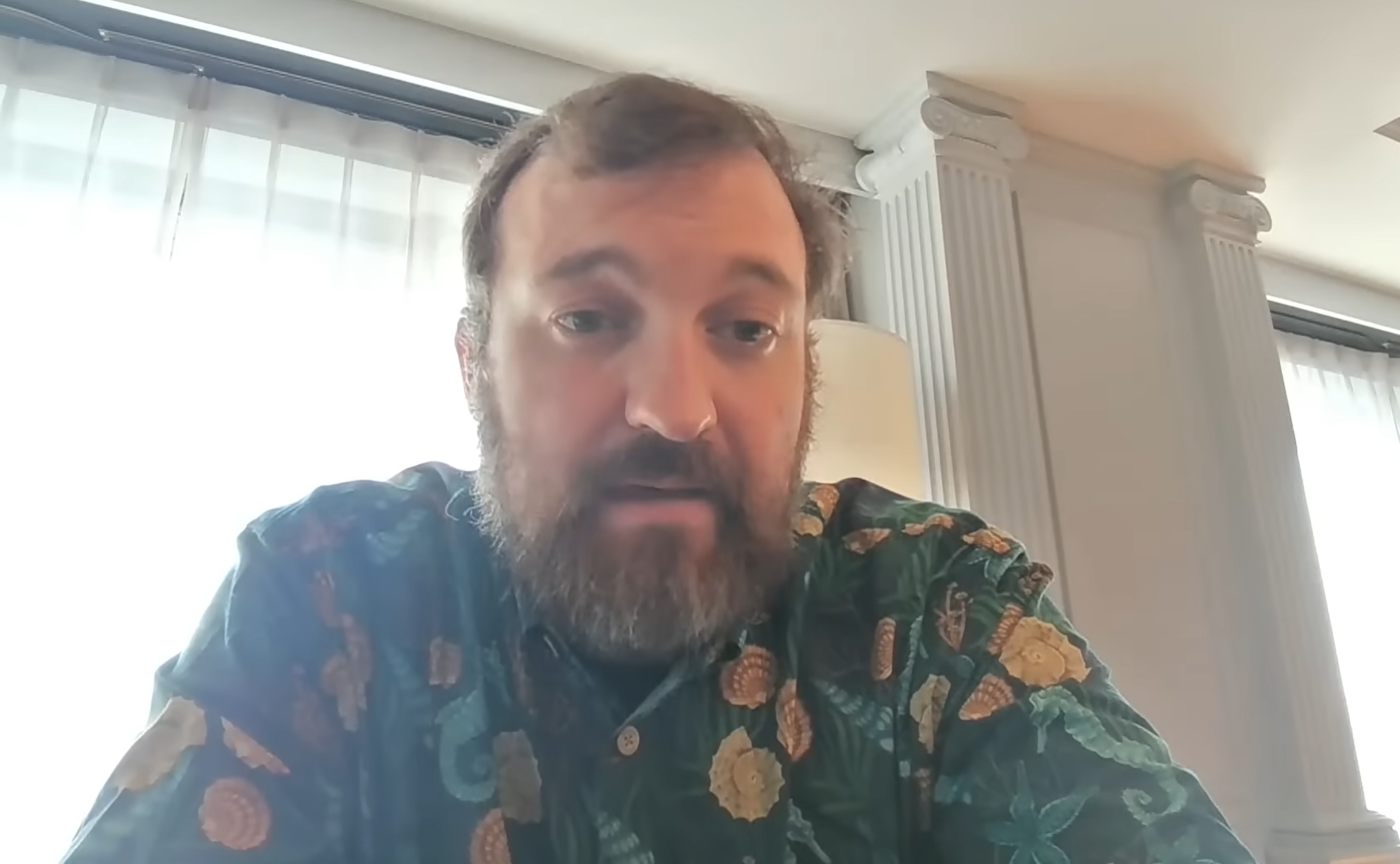
Cardano founder Charles Hoskinson has weighed in on the governance debate surrounding Liqwid, arguing that insiders involved in the protocol should distance themselves from any re-vote on contentious asset distribution and let token holders decide whether to honor previous commitments. His intervention is important because it cuts into a familiar pressure point in DeFi governance: whether DAO votes are truly legitimate when founder insiders may vote on outcomes that directly benefit them.
In a livestream from Wyoming, Hoskinson said he typically avoids involvement in the DeFi layer of the Cardano ecosystem unless directed by the broader community. But he said Liqwid’s situation entered deeper trust issues following October’s announcement that “100% of the assets in smart contracts” allocated to the protocol would be returned to their “rightful owners.”
The dispute centers on a sizable pool of Midnight’s NIGHT tokens tied to Liqwid’s ADA market. According to public governance documents, the total allocation is approximately NIGHT 18.81 million, worth just under $1 million at current market prices. This helps explain why this vote attracted so much attention. The debate is not over a symbolic governance gesture, but rather over what to do with a seven-figure cryptocurrency allocation that users were supposed to get fully refunded.
Cardano founder calls for second vote for Liqwid
Hoskinson said the team later encountered governance and legal issues within the DAO structure itself. “According to the DAO user agreement, the team probably didn’t have legal permission to do so,” he said. “Somehow it violated the conditions they had set.” Granting that, he argued, the more troubling issue was how the issue was handled afterwards.
His proposed amendment was simple: rerun the vote, but with narrower and clearer terms. “If you have to go to the DAO to vote, you need to do two things,” Hoskinson said. “First and foremost, those who are insiders should stand aside if they are going to be the direct beneficiaries of this type of governance activity. Second, the question should have been: should we respect the marketing efforts, yes or no?”
That framework is the core of his criticism. Hoskinson said users deposited funds into the associated smart contract with the understanding that their prior commitments would be honored. “Commitments had already been made, people understood those terms and put money into the contract, and there was no reason to believe that those things would be breached,” he said. “People in positions of trust, and people in positions of maintaining this kind of software, frankly deserve a little better.”
Mr. Hoskinson repeatedly restored legitimacy to more than mere procedure. According to him, the mere presence of votes does not give the DAO credibility. They derive it from broad participation and confidence that the process is not skewed by a small group of insiders. “DAOs need legitimacy, and that legitimacy comes from participation,” he said. “There is no path forward for a DAO to have governance legitimacy if there is a belief that participation is controlled only by a small number of insiders.”
His recommendation was for insiders connected to the Protocol’s core organizations to publicly declare their holdings, refrain from taking action themselves, and let holders vote only on whether to honor their October commitments. If the answer is yes, the protocol should run as is. If the answer is no, the community may move to a second stage of discussion regarding alternative allocations.
Hoskinson was equally clear about the risks if that didn’t happen. He said he has no special powers to overturn the results, does not control assets already distributed in smart contracts, and has no formal authority over the Cardano ecosystem. But he warned that perception alone could cause lasting damage.
“I believe that this violation of public trust, or at least the perception of it, will seriously damage the protocol’s ability to grow and prosper in the future,” he said. “Simply put, if people don’t trust what the central account is saying, and when people don’t trust the votes when they’re cast, the reality is that people will simply move on to other options.”
Overall, he maintained that the path is still open if Liqwid wants to regain trust. But it will be penetrated through disclosure, recusal, and cleaner voting.
At the time of writing, Cardano was trading at $0.29.
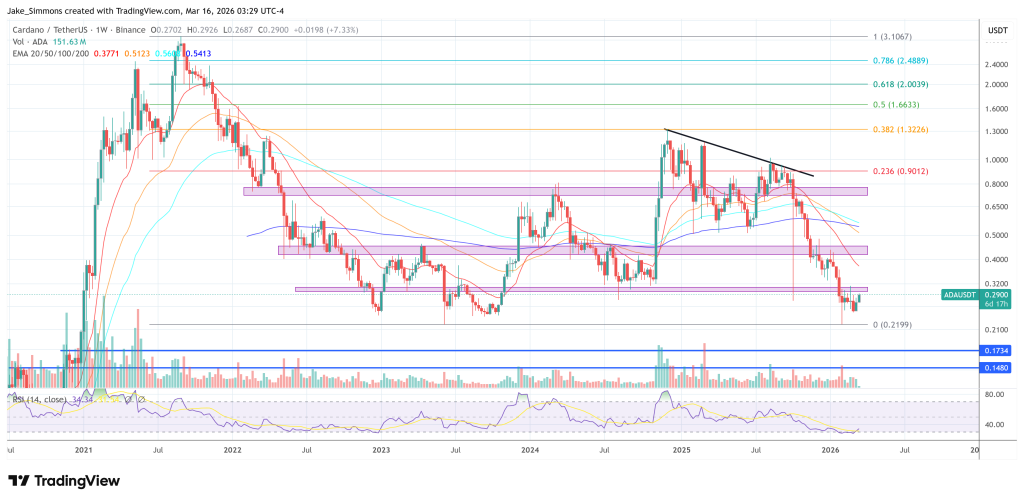
Featured image created with DALL.E, chart on TradingView.com

bitcoinist’s editorial process focuses on providing thoroughly researched, accurate, and unbiased content. We adhere to strict sourcing standards, and each page is carefully reviewed by our team of top technology experts and experienced editors. This process ensures the integrity, relevance, and value of your content to your readers.
